
.jpeg)
Clinical indications and patient guidelines for osimertinib (Tagressa)
Osimertinib is a third-generation EGFR tyrosine kinase inhibitor (EGFR-TKI) that is highly selective and can inhibit Control multiple EGFR sensitive mutation-type non-small cell lung cancer (NSCLC) including T790M mutation. Since its launch, osimertinib has become one of the important standard treatments for patients with EGFR mutated lung cancer, and its efficacy and safety have been fully verified in global clinical practice. The following will describe clinical indications and patient usage guidelines.
First of all, the main clinical indications of osimertinib include three types of situations:
First, it is used for the first-line treatment of locally advanced or metastatic non-small cell lung cancer carrying EGFR sensitive mutations (such as L858R or Exon 19 deletion mutations). A number of international phase III studies (such as the FLAURA study) have confirmed that osimertinib is more effective than first- and second-generation EGFR-TKI (such as Gemfil Tinib, erlotinib) can significantly prolong progression-free survival (PFS) and overall survival (OS), and have a higher brain metastasis control rate.
The second one is for patients with locally advanced or metastatic disease who develop T790M mutation-positive disease after previous EGFR-TKI treatment. This mutation is the main mechanism leading to early resistance to targeted drugs. Osimertinib can restore drug sensitivity and improve disease control by effectively inhibiting the T790M mutation target.
The third is the indications for postoperative adjuvant treatment approved in recent years. For patients with EGFR mutation-positive early-stage non-small cell lung cancer, the use of osimertinib as adjuvant therapy after radical surgery can significantly delay disease recurrence and improve long-term survival rates. This result has been
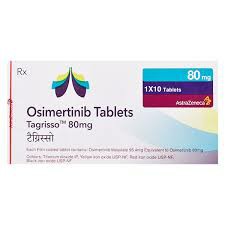
Secondly, in terms of patient usage guidelines, the recommended dose of osimertinib is once daily, each time80mg, taken orally, not affected by eating. Treatment is usually continued until disease progression or intolerable toxicity occurs. If patients develop intolerance due to adverse reactions (such as rash, diarrhea or cardiac adverse events), they can temporarily stop taking the drug or reduce the dose to 40mg/day according to the doctor's advice. When taking medicine, you should try to take it at a fixed time. If you miss a dose, you should take it within 12 hours. If it exceeds, skip the dose.
In terms of medication monitoring, patients should confirm the EGFR mutation type before treatment and exclude those who are not suitable for it. During treatment, imaging examinations need to be reviewed regularly to evaluate the efficacy, and electrocardiogram (QT interval), liver function, blood picture and skin condition must be monitored. The adverse reactions of osimertinib are milder than those of earlier EGFR-TKIs. Common side effects include rash, diarrhea, loss of appetite and mild fatigue; serious adverse reactions that are rare but require vigilance include interstitial pneumonia, arrhythmia and QT prolongation. If persistent cough, difficulty breathing or obvious heart palpitations occur, stop taking the medicine immediately and seek medical advice.
In addition, attention should be paid to drug interactions with osimertinib. Combined use with potent CYP3A4 inducers (such as rifampicin, carbamazepine) may reduce plasma concentration, thereby affecting efficacy; while combined use with inhibitors (such as ketoconazole) may increase toxic reactions. Therefore, patients should inform their doctors about all the medications they are taking, including health supplements and Chinese herbal medicines, to avoid interactions.
For special groups, pregnant and lactating women should avoid using osimertinib because animal studies have shown that it may have a teratogenic risk to the fetus; women of childbearing age should use effective contraceptive measures during treatment and for at least 6 weeks after stopping the drug. Patients with impaired liver or renal function need to adjust the dose or strengthen monitoring under the guidance of a doctor.
In general, osimertinib, as a third-generation EGFR-TKI, can not only be used for the second-line treatment of T790M mutation-positive patients, but also shows significant advantages in the first-line and postoperative adjuvant treatment of EGFR mutant lung cancer. Its excellent central nervous system penetration also makes it an important choice for patients with brain metastases. For patients, following medical instructions, regular review, and timely handling of adverse reactions are the keys to ensuring efficacy and safety. In the future, with the in-depth research on the resistance mechanism, osimertinib is expected to be used in combination with other targeted drugs or immunotherapy to bring longer-lasting and more stable survival benefits to patients with EGFR mutated lung cancer.
Reference materials:https://www.drugs.com/
[ 免责声明 ] 本页面内容来自公开渠道(如FDA官网、Drugs官网、原研药厂官网等),仅供持有医疗专业资质的人员用于医学药学研究参考,不构成任何治疗建议或药品推荐。所涉药品可能未在中国大陆获批上市,不适用于中国境内销售和使用。如需治疗,请咨询正规医疗机构。本站不提供药品销售或代购服务。


