
.jpeg)
Is Fulvestrant/Fuxit an aromatase inhibitor?
Fulvestrant is a selective estrogen receptor degrader ( SERD) and is not strictly an aromatase inhibitor. There are essential differences between the two in their mechanism of action and clinical application. Aromatase inhibitors mainly inhibit the growth of estrogen-dependent tumors by inhibiting the activity of aromatase in the body and reducing the process of converting androgens into estrogen, thereby indirectly reducing serum estrogen levels. Different from this, fulvestrant directly acts on the estrogen receptor, causing receptor degradation, blocking receptor-mediated signaling, and ultimately inhibiting tumor proliferation.
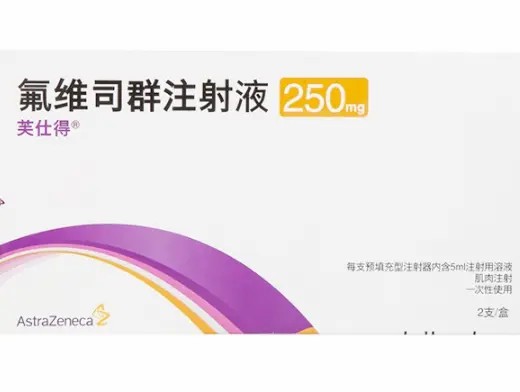
This mechanism allows fulvestrant to still exert its efficacy in patients with aromatase inhibitor resistance or relapse. The guidelines clearly state that fulvestrant belongs to the SERD class of drugs and is suitable for endocrine treatment of hormone receptor-positive breast cancer, rather than an aromatase inhibitor. Its clinical advantage lies in directly degrading the number of receptors and reducing the tumor's dependence on endogenous estrogen while maintaining long-term and stable anti-tumor effects.
In clinical applications, patients often experience disease progression after receiving tamoxifen or aromatase inhibitor treatment. At this time, fulvestrant can be used as a second-line or later-line treatment option, providing patients with a new treatment option. By directly degrading receptors, it not only inhibits tumor growth, but also delays recurrence and improves patients' quality of life. For doctors, understanding its non-aromatase inhibitor properties can help rationally combine treatment options and optimize individualized treatment strategies for patients.
In summary, fulvestrant provides anti-tumor effects that cannot be replaced by aromatase inhibitors by directly degrading estrogen receptors. In patients with advanced or metastatic breast cancer, fulvestrant has become an indispensable and important choice in modern endocrine therapy due to its unique mechanism and good tolerance.
Reference materials:https://medlineplus.gov/druginfo/meds/a607031.html
[ 免责声明 ] 本页面内容来自公开渠道(如FDA官网、Drugs官网、原研药厂官网等),仅供持有医疗专业资质的人员用于医学药学研究参考,不构成任何治疗建议或药品推荐。所涉药品可能未在中国大陆获批上市,不适用于中国境内销售和使用。如需治疗,请咨询正规医疗机构。本站不提供药品销售或代购服务。


