
.jpeg)
Futibatinib drug definition and principle of action
Futibatinib is an oral inhibitor specifically targeting FGFR2 gene fusion or other gene rearrangements. It was developed by an overseas pharmaceutical company and is mainly used to treat intrahepatic cholangiocarcinoma that has received at least one previous treatment and is unresectable, locally advanced or metastatic. The core value lies in the precise blocking of FGFR2, a "driver mutation", making the drug an important representative of gene-specific treatment models.
From the drug definition, forbatinib is classified as an "irreversible FGFR inhibitor". Traditional FGFR inhibitors mostly use reversible binding methods, while forbatinib irreversibly binds to the FGFR receptor, making the inhibition lasting longer and providing certain advantages in the accumulation of treatment tolerance. This also makes it a uniquely positioned targeted drug in the field of FGFR2 fusion-driven cholangiocarcinoma.
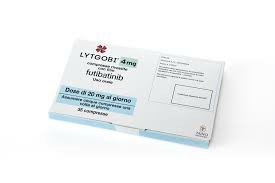
The principle of action is mainly based on blocking the tumor cell-dependent FGFR2 signaling pathway. FGFR2 gene fusion is one of the few key mutations in patients with intrahepatic cholangiocarcinoma, leading to accelerated tumor cell proliferation, evasion of immune surveillance, and drug-resistant survival advantage. Forbatinib blocks abnormal signals by inhibiting the kinase activity of the FGFR2 receptor, thereby reducing tumor cell proliferation and possibly delaying tumor progression.
Compared with traditional chemotherapy, forbatinib emphasizes “precise population selection” and is not suitable for all patients with cholangiocarcinoma. Therefore, the prerequisite for the use of forbatinib is that the FGFR2 fusion or rearrangement is confirmed positive through genetic testing and meets the indication requirements. Overseas data points out that the global recommended pathways for such targeted drugs mostly include molecular diagnosis, genotyping and treatment monitoring, and have gradually become one of the standard management methods for cholangiocarcinoma.
In addition, forbatinib has been included in guided treatment plans in many countries due to its convenience of oral administration, clear positioning, and controllable tolerability. Although regulatory policies vary from country to country, the principles of its use are basically the same, that is, priority is given to FGFR2-positive patients who have progressed despite systemic treatment.
Reference materials:https://www.lytgobi.com/
[ 免责声明 ] 本页面内容来自公开渠道(如FDA官网、Drugs官网、原研药厂官网等),仅供持有医疗专业资质的人员用于医学药学研究参考,不构成任何治疗建议或药品推荐。所涉药品可能未在中国大陆获批上市,不适用于中国境内销售和使用。如需治疗,请咨询正规医疗机构。本站不提供药品销售或代购服务。


