
.jpeg)
How does Zoltuximab/Velvox compare to Rituximab?
Although zolbetuximab and Rituximab are both monoclonal antibody drugs, they are completely different in terms of target mechanism, applied cancer types, treatment positioning and future development direction. One focuses on the precise target Claudin18.2 in gastrointestinal tumors; the other is a classic CD20-targeting drug in lymphatic system diseases. With the rapid advancement of precision medicine for gastric cancer around the world, more and more patients are beginning to pay attention to the difference between it and traditional antibody drugs. Based on overseas literature, guidelines and drug development trends in recent years, the differences between the two can be understood from the following core perspectives.
From a target perspective, zotuximab targets Claudin18.2, a type of tight junction protein that is highly specifically expressed on the surface of gastric cancer cells. However, its expression in normal gastric tissue is limited, making it an important marker for precise treatment of gastric cancer. Rituximab acts on CD20 on the surface of B cells, and its target exists in both normal and malignant B cells. Therefore, treatment will be accompanied by a widespread decline in B cells, which is the key reason why the drug induces immune changes. The biological differences between the two targets determine that the application logic of the drugs in different clinical settings is completely different: Zotuximab places more emphasis on the "molecular marker selection" of tumor tissues, while Rituximab focuses on abnormally proliferating B cells in blood tumors.
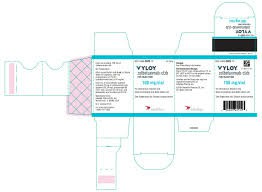
In terms of indications, zotuximab is mainly used in advanced gastric cancer and gastroesophageal junction cancer with high expression of Claudin18.2 It reflects the global trend of accurate classification of digestive tract tumors, emphasizing the screening of patients through biomarkers to make treatment more individualized. Rituximab is one of the most commonly used monoclonal antibody drugs for hematological tumors in the world. It is suitable for a variety of non-Hodgkin lymphoma, chronic lymphocytic leukemia and other diseases, and also plays an important role in some immune diseases (such as refractory immune-related lesions). The disease spectrum covered by the two is completely different, so clinicians usually do not interchange the two when making decisions, but choose corresponding solutions based on the type of disease.
Differences in mechanisms of action also affect adverse reaction characteristics. The main discomfort of zotuximab is related to the gastrointestinal tract. Experience points out that it is related to the limited expression of the target in the gastric mucosa. At the same time, its immune activation mechanism can trigger mild systemic reactions and requires early monitoring. Rituximab is more likely to have infusion reactions in the early stages of administration. This is due to the rapid clearance of a large number of B cells, which triggers a transient activation of the immune system. Some patients also need to monitor the long-term risks caused by reduced immune function, such as increased susceptibility to infection. The mechanisms of these reactions are completely different, which further reflects the fundamental differences in tissue distribution and immune participation between the two types of targeted drugs.
In terms of treatment positioning, the two also represent the two directions of tumor drug development paths. Zotuximab symbolizesThe trend of "the more refined the tumor classification, the narrower the target." The rapid expansion of global research on Claudin18.2-targeted drugs, including antibody conjugates, double antibodies and small molecule interventions, shows that the potential in this direction is expanding. Rituximab is a representative of "broad-spectrum B cell targeting." Although its mechanism is not "precise to a certain mutation," its stable efficacy in lymphatic system diseases still puts it in an irreplaceable position. Even with the emergence of multiple new B-cell-targeting drugs, Rituximab's core position in the guidelines has not been shaken.
Reference materials:https://www.astellas.com/en/news/29401
[ 免责声明 ] 本页面内容来自公开渠道(如FDA官网、Drugs官网、原研药厂官网等),仅供持有医疗专业资质的人员用于医学药学研究参考,不构成任何治疗建议或药品推荐。所涉药品可能未在中国大陆获批上市,不适用于中国境内销售和使用。如需治疗,请咨询正规医疗机构。本站不提供药品销售或代购服务。


