
.jpeg)
Efficacy and role of Pretomanid in the treatment of multi-drug-resistant tuberculosis and analysis of clinical usage data
Pretomanid (Pretomanid) is a new type of anti-tuberculosis drug that belongs to the nitroimidazole class of antibacterial agents. It is mainly used to treat multi-drug-resistant tuberculosis (MDR-TB) and extensively drug-resistant tuberculosis (XDR-TB). Its mechanism of action includes inhibiting the cell wall synthesis of Mycobacterium tuberculosis and killing dormant strains by producing reactive nitrogen substances in an anoxic environment, thus having a significant killing effect on drug-resistant Mycobacterium tuberculosis. The introduction of putomanid provides a new oral combination treatment option for MDR-TB patients, showing potential advantages especially when traditional drug treatments are ineffective.
In clinical application, putomanid is often used in combination with rifapentine (Linezolid) and bedaquiline (Bedaquiline) to form an all-oral, injection-free short-course treatment regimen. Clinical studies have shown that this triple regimen is highly effective in patients with MDR-TB and can complete treatment in about 6 months, which is significantly shorter than the traditional 18-24 months of treatment, and at the same time reduces the patient's risk of exposure to adverse events related to injection drugs. Clinical data shows that the sputum smear negative conversion rate and tuberculosis bacteriology negative conversion rate of the combined regimen are higher than those of traditional therapy, and some patients achieve complete remission during treatment.
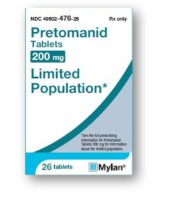
The safety profile of putomanid in patients with multidrug-resistant tuberculosis is also relatively manageable. Common adverse reactions include abnormal liver function, nausea, gastrointestinal discomfort and mild headache, most of which are mild to moderate and can be managed through regular monitoring and symptomatic treatment. Compared with traditional multidrug-resistant tuberculosis treatment regimens, the putomanid triple regimen reduces the use of injectable drugs and reduces the risk of ototoxicity and nephrotoxicity. At the same time, the oral administration method improves patient compliance and improves treatment experience.
Overall, putomanib plays an important role in the treatment of multidrug-resistant and extensively drug-resistant tuberculosis through its unique antibacterial mechanism. Its combined regimen not only shortens the course of treatment and increases the rate of sputum smear negative conversion, but also reduces the risk of adverse reactions of long-term treatment. With the accumulation of clinical data and rich experience in use, putomanib is expected to become an important part of the standardized, short-course, all-oral treatment regimen for patients with multi-drug-resistant tuberculosis, providing a new solution for global tuberculosis prevention and treatment.
Reference materials:https://www.drugs.com/
[ 免责声明 ] 本页面内容来自公开渠道(如FDA官网、Drugs官网、原研药厂官网等),仅供持有医疗专业资质的人员用于医学药学研究参考,不构成任何治疗建议或药品推荐。所涉药品可能未在中国大陆获批上市,不适用于中国境内销售和使用。如需治疗,请咨询正规医疗机构。本站不提供药品销售或代购服务。


