
.jpeg)
Which one is better, linezolid/swo or amoxicillin, and how is the effect compared?
Linezolid (Linezolid) and amoxicillin are completely different types of antibiotics in clinical application. Their mechanisms of action, antibacterial spectrum and indications are significantly different. Therefore, "which one is better" needs to be comprehensively judged based on the specific infection type, pathogenic bacteria resistance and patient conditions, and cannot be simply compared.
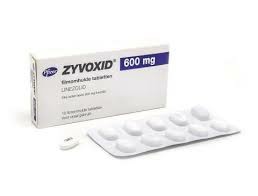
Linezolid belongs to the oxazolidone class of antibacterial drugs. It mainly works by inhibiting bacterial protein synthesis and has a significant effect on Gram-positive bacteria, especially drug-resistant strains, such as methicillin-resistant Staphylococcus aureus (MRSA), vancomycin-resistant enterococci (VRE) and some multi-drug-resistant streptococci. Because its antibacterial spectrum targets drug-resistant bacterial groups, it shows high clinical value in complex bacterial infections, hospital-acquired pneumonia, severe skin and soft tissue infections, and bloodstream infections caused by drug-resistant bacteria. Linezolid is not only well absorbed orally, but can also be administered intravenously, which increases the flexibility of treatment and is especially suitable for patients who are unable to receive intravenous injection or require continuous outpatient treatment.
Amoxicillin is a broad-spectrum penicillin antibiotic that exerts a bactericidal effect by inhibiting bacterial cell wall synthesis. It is mainly used to treat Gram-positive bacteria and some Gram-negative bacterial infections that are sensitive to penicillin, including respiratory infections, genitourinary tract infections, skin and soft tissue infections, etc. The advantages of amoxicillin are that it is relatively safe, well tolerated, relatively cheap, and suitable for specific groups such as children and pregnant women. Amoxicillin is often used as the drug of choice for common community-acquired infections, especially those caused by non-drug-resistant strains.
In terms of effect comparison, if the infecting pathogen is a drug-resistant Gram-positive bacteria, linezolid is obviously better than amoxicillin, because amoxicillin is basically ineffective againstMRSA or VRE. On the contrary, for general community-acquired bacterial infections or mild to moderate respiratory infections, amoxicillin can effectively control the infection. The use of linezolid in these cases is over-treatment, which not only increases costs, but may also bring risks such as hematological suppression and neurotoxicity.
In addition, when using linezolid, attention should be paid to hematological monitoring to prevent bone marrow suppression and to be wary of drug interactions. Amoxicillin is well tolerated, but attention should be paid to occasional allergic reactions. Drug selection should be based on clinical diagnosis, bacterial culture and drug susceptibility test results, as well as patient age, liver and kidney function, previous medication history, and risk of drug resistance.
In summary, linezolid and amoxicillin have obvious differences in their antibacterial mechanisms and indications. The former is effective against drug-resistant Gram-positive bacteria, while the latter is suitable for common community infections. In clinical decision-making, doctors should comprehensively consider the nature of pathogenic bacteria, site of infection, individual patient conditions and drug characteristics, and scientifically select antibiotics to maximize efficacy, minimize risks, and achieve economic feasibility. The correct use of drugs can not only improve the cure rate of infection, but also reduce the occurrence of drug-resistant bacteria and protect the long-term health of patients.
Reference materials:https://go.drugbank.com/drugs/DB00601
[ 免责声明 ] 本页面内容来自公开渠道(如FDA官网、Drugs官网、原研药厂官网等),仅供持有医疗专业资质的人员用于医学药学研究参考,不构成任何治疗建议或药品推荐。所涉药品可能未在中国大陆获批上市,不适用于中国境内销售和使用。如需治疗,请咨询正规医疗机构。本站不提供药品销售或代购服务。


