
.jpeg)
Analysis of the main differences between Roprostim (Huierning) and Eltrombopag (Revlan)
Romiplostim (Romiplostim) and Eltrombopag (Eltrombopag) are both thrombopoietin receptor agonists (TPO-RA) and are mainly used to treat chronic immune thrombocytopenia (ITP) and platelet production disorders caused by other reasons. The two have similarities at the mechanism level. Both can promote the differentiation and maturation of megakaryocytes and increase platelet production by stimulating TPO receptors, thereby improving the patient's bleeding risk. However, due to significant differences in molecular structure, site of action, mode of administration, and metabolic pathways, they present different characteristics in terms of clinical application, pharmacokinetic characteristics, safety, and patient compliance.
First of all, from the perspective of molecular structure and mechanism of action, Ropremilast is a recombinant protein drug. It is a "peptide-antibody fusion protein" composed of a peptide chain and an immunoglobulin Fc fragment. It binds to the extracellular domain of the TPO receptor, mimics the physiological effects of endogenous thrombopoietin (TPO), activates the JAK2/STAT5 signaling pathway, thereby promoting megakaryocyte development and platelet production. Eltrombopag is a small molecule oral compound whose binding site is located in the transmembrane domain of the TPO receptor, which is different from the binding site of TPO itself, so it will not compete with endogenous TPO. Eltrombopag activates the receptor through a non-competitive mechanism, which can not only promote platelet production independently, but also synergize with TPO in vivo. This difference determines that eltrombopag has a more flexible receptor activation mode in the body.
Secondly, there are obvious differences between the two drugs in terms of route of administration and convenience of medication. Roprostim needs to be injected subcutaneously once a week, and the dose is dynamically adjusted according to the patient's platelet response (usually 1–10 μg/kg/ weeks), so it is suitable for patients who require close monitoring by doctors. The advantage of this drug is that the blood concentration is stable, the platelet count decreases slowly after the patient stops taking the drug, and some patients can achieve long-term maintenance treatment. Eltrombopag is an oral preparation, which is easy to take and has high compliance. It is especially suitable for patients who do not want frequent medical visits or injections. However, eltrombopag needs to be taken on an empty stomach and should not be taken with foods or supplements rich in calcium, iron, and magnesium to avoid affecting absorption. Its blood concentration is greatly affected by diet, which often becomes one of the important factors affecting clinical efficacy.
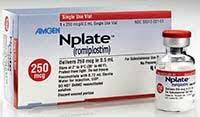
From the perspective of pharmacokinetics and onset time, Ropremilast is a protein drug. It is metabolized slowly in the body after being absorbed by subcutaneous injection. The half-life is usually 1 to 2 weeks. The platelet increase is relatively stable, usually < It takes effect from /span>5 to 7 days, and reaches the peak value from 10 to 14 days. As a small molecule oral drug, eltrombopag has a rapid onset of action. Significant platelet increases can be seen about 7 to 10 days after treatment, and the peak time is usually 2 to 3 weeks. The platelet count of eltrombopag also decreases rapidly after stopping the drug, returning to the baseline level in about 1 to 2 weeks; due to its long-acting effect, loprostim has a relatively gentle decrease after drug withdrawal, making it more suitable for maintenance treatment in patients with large fluctuations in disease conditions.
In terms of clinical indications and efficacy performance, both are approved for chronic immune thrombocytopenia (ITP), but there are certain differences in other areas. Roprostim is mainly used in adult and pediatric patients with chronic ITP that are refractory to glucocorticoids, immunoglobulins or splenectomy. Its long-term clinical studies show that about 80% of patients can achieve stable platelet responses and significantly reduce the risk of bleeding under continued treatment. In addition to ITP, eltrombopag is also approved for the treatment of thrombocytopenia associated with chronic liver disease (to reduce the risk of bleeding during invasive procedures), and severe aplastic anemia (SAA). This makes eltrombopag’s indications wider and its clinical application more flexible.
In terms of safety and tolerability, both drugs have a good overall safety profile, but each has specific risks. The main adverse reactions of loplastin include headache, arthralgia, fatigue and mild injection site reactions. Pay attention to the risk of myelofibrosis during long-term use. Although most cases are reversible, regular blood routine and bone marrow monitoring are still required. Common adverse reactions of eltrombopag include abnormal liver function (increased transaminases), loss of appetite, abdominal pain and nausea. Because it is metabolized in the liver and cleared through the UGT1A1 and CYP1A2 pathways, it should be used with caution in patients with liver dysfunction. In comparison, Roprostim has less impact on liver function, but attention should be paid to the risk of thrombosis caused by excessive platelet elevation.
In terms of long-term medication management and economics, both have their own advantages and disadvantages. Injectable administration of Roprostim requires regular visits to medical institutions to monitor platelet levels, and the treatment cost is high. However, due to its long-lasting effect, the dosage frequency can be reduced in some patients. Eltrombopag is an oral drug that patients can take at home, which is highly convenient. However, since it needs to be taken daily and maintained for a long time, the cumulative cost of medication is not low. Economic research shows that the overall cost-benefit ratio between the two is similar. However, for different regions and patient groups, medical insurance coverage and patient compliance often become important factors in choice.
Reference materials:https://www.drugs.com/
[ 免责声明 ] 本页面内容来自公开渠道(如FDA官网、Drugs官网、原研药厂官网等),仅供持有医疗专业资质的人员用于医学药学研究参考,不构成任何治疗建议或药品推荐。所涉药品可能未在中国大陆获批上市,不适用于中国境内销售和使用。如需治疗,请咨询正规医疗机构。本站不提供药品销售或代购服务。


