
.jpeg)
Whether giritinib (segatan) needs to be taken for a long time and its safety analysis
Gilitinib is an oral FLT3tyrosine kinase inhibitor, mainly used to treat patients with relapsed or refractory acute myeloid leukemia (AML) carrying FLT3 mutations. It blocks the proliferation and survival of tumor cells by inhibiting abnormal signaling related to FLT3-ITD and FLT3-TKD mutations. Clinical data show that giritinib can significantly prolong the progression-free survival and overall survival of patients, so it is considered an important targeted drug for this type of AML. Due to the high recurrence rate of the disease and the greater risk of residual disease, geritinib usually requires longer-term maintenance therapy to stabilize the disease and prevent recurrence.
In actual treatment, the course of giritinib treatment needs to be comprehensively determined based on the patient's disease response, bone marrow recovery, and tolerance. After some patients achieve complete remission, doctors may recommend continued maintenance therapy for several months or even longer to prevent latent leukemia cells from reactivating; and for patients who are preparing to receive hematopoietic stem cell transplantation, it can be used as bridging therapy. It is generally recommended to continue taking the medication until disease progression or intolerable adverse reactions occur. If there is no consolidation treatment after stopping the medication, some patients may experience a rebound in their condition within weeks to months. Therefore, whether to take it for a long time requires individual judgment.
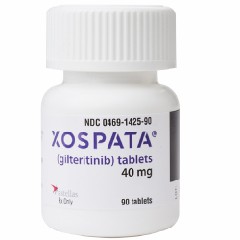
The safety of giritinib is generally controllable, but there are still certain risks. Common adverse reactions include increased transaminases, increased creatine kinase, diarrhea, fatigue, and loss of appetite. Most are mild to moderate and can be controlled through monitoring and symptomatic treatment. More serious adverse reactions include differentiation syndrome (Differentiation Syndrome) and arrhythmia. It is necessary to be alert to early symptoms and intervene in time. Liver and kidney function, electrolytes and electrocardiogram should be monitored regularly during use to prevent accumulation of drug-related toxicity.
Overall, giritinib strikes a good balance between efficacy and safety and is suitable for long-term management of FLT3mutantAML patients. For patients with stable responses and good tolerance, maintenance medication can help prolong the duration of remission; however, if there are obvious adverse reactions or risks of comorbidities, the dose should be adjusted or the medication should be temporarily discontinued under the guidance of a doctor. Long-term use requires dynamic monitoring to ensure that while inhibiting the progression of leukemia, drug toxicity is controlled within a safe range, thereby achieving individualized and precise treatment.
Reference materials:https://www.drugs.com/
[ 免责声明 ] 本页面内容来自公开渠道(如FDA官网、Drugs官网、原研药厂官网等),仅供持有医疗专业资质的人员用于医学药学研究参考,不构成任何治疗建议或药品推荐。所涉药品可能未在中国大陆获批上市,不适用于中国境内销售和使用。如需治疗,请咨询正规医疗机构。本站不提供药品销售或代购服务。


