
.jpeg)
Characteristics of the applicable population of Axitinib (Inlida) and medication recommendations for patients at different stages
Axitinib is a highly selective vascular endothelial growth factor receptor (VEGFR) tyrosine kinase inhibitor, mainly used to treat blood vessel-dependent tumors such as advanced renal cell carcinoma (RCC). The drug blocks tumor angiogenesis by inhibiting the VEGFR-1, VEGFR-2 and VEGFR-3 signaling pathways, thereby inhibiting tumor growth and metastasis. Axitinib is most commonly used for patients who have failed first-line targeted drugs such as sorafenib and sunitinib. It is especially suitable for young and middle-aged patients with good liver and kidney function who can tolerate targeted therapy. It is also more effective for patients with metastatic lesions but with fair general condition (ECOG score ≤2).
For patients with early-stage or locally advanced renal cell carcinoma, axitinib is usually not used as the first-line treatment, but is considered based on a comprehensive assessment of pathological classification, tumor stage and risk level. If the patient is at high risk of recurrence after surgery, adjuvant targeted therapy can be performed under the guidance of a doctor to delay the recurrence process. Blood pressure, liver and kidney function, and thyroid function need to be strictly monitored during medication, because axitinib may cause hypertension, proteinuria, and hypothyroidism. Early-stage patients should follow the principle of "low-dose initiation and gradual adjustment" to reduce adverse reactions and improve tolerance and compliance.
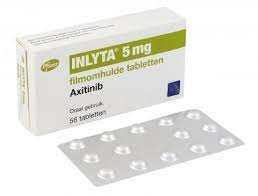
Patients with advanced or metastatic renal cancer are the main beneficiaries of axitinib. For patients who have failed previous targeted therapies, axitinib is often used as a second- or third-line regimen and has a high objective response rate and disease control rate. Clinical data show that it can still significantly prolong progression-free survival in patients who have previously received sorafenib or sunitinib. For patients in the middle and advanced stages, the dose should be adjusted based on the systemic condition (generally the starting dose is 5mg, twice a day), and if well tolerated, it can be gradually increased to 7mg or 10mg. During treatment, blood pressure and cardiovascular risk factors should be closely monitored, and antihypertensive drugs should be used if necessary to maintain stability.
Elderly patients and those with multi-system chronic diseases should be more cautious when using axitinib. Due to decreased metabolic function and increased risk of drug interactions, low doses should be started, and plasma drug concentrations and adverse reactions should be assessed regularly. For patients with abnormal liver function or mild to moderate renal insufficiency, dosage adjustment is required under the guidance of a physician. Female patients should take contraceptive measures while taking the medicine, and it is contraindicated during lactation. In general, the axitinib dosage regimen should be individually formulated and dynamically adjusted according to the patient's age, disease course, previous treatment history, and tolerance to achieve the best balance between efficacy and safety.
Reference materials:https://www.drugs.com/
[ 免责声明 ] 本页面内容来自公开渠道(如FDA官网、Drugs官网、原研药厂官网等),仅供持有医疗专业资质的人员用于医学药学研究参考,不构成任何治疗建议或药品推荐。所涉药品可能未在中国大陆获批上市,不适用于中国境内销售和使用。如需治疗,请咨询正规医疗机构。本站不提供药品销售或代购服务。


