
.jpeg)
Which treatment effect is better, ivonib/Tosuvo or mitotane?
In the field of research on endocrine tumors and metabolism-related tumors, Ivosidenib and mitotane are often placed in the same discussion framework. The reason is that both are used for the systemic treatment of some rare tumors. However, their mechanisms of action and applicable populations are very different. Therefore, it is not possible to simply conclude "which one is better". Instead, they should be distinguished in terms of molecular mechanisms, target characteristics, adapted populations, and long-term treatment logic. From the perspective of international clinical practice trends, these two drugs are not competing with each other, but each plays a major therapeutic role in different disease types.
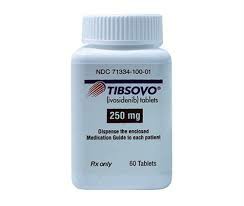
Ivonib is an oral targeted inhibitor against IDH1 mutations. It is mainly used for tumors such as acute myeloid leukemia (AML) and cholangiocarcinoma carrying IDH1 mutations. Its core value lies in precisely targeting the abnormal tumor metabolism caused by IDH1 mutations and helping to restore the normal differentiation path of cells by blocking the production of 2-HG. In patients with true IDH1 mutations, ivosidenib can provide specific metabolic regulation, returning tumor cells from an "abnormal metabolic state" to a path that can be recognized by the immune system. Therefore, it is a typical "gene mutation-driven targeted drug", and the therapeutic effect is closely related to the patient's genotype.
Mitotane is completely different. It is a selective inhibitor of adrenocortical cells and is mainly used to treat adrenocortical cancer. It is one of the few systemic treatment drugs for adrenocortical cancer in the world. Its mode of action is complex, including destroying adrenal cell function, inhibiting the cortisol synthesis pathway, and regulating hormone metabolism. Therefore, mitotane does not rely on a specific mutation, but relies on selective toxicity to adrenal tissue. Therefore, it is more suitable for hormone-related tumors, especially malignant tumors of adrenocortical origin.
From the perspective of treatment effects, there is no directly comparable data between the two because the nature of the diseases they face are completely different. The key advantage of ivosidenib is its precise targeting of IDH1 mutations, which occur in a certain proportion of cancer patients but are not universal. For these people who can accurately match the target, the therapeutic effect is highly targeted. Multiple overseas treatment guidelines (such as NCCN related tumor chapters) have included IDH1 inhibitors in standard treatment pathways, which also reflects their value in the era of precision medicine.
In contrast, mitotane is one of the core treatment options for adrenocortical cancer, especially in patients who are at higher risk of recurrence after surgery or who have developed distant metastases. Because adrenocortical cancer itself is a highly aggressive disease, the goals of treatment are more to control hormonal disorders and delay disease progression. Mitotane has a long treatment cycle and special metabolic characteristics, which requires long-term monitoring of the drug's blood concentration to ensure that it reaches the effective range. Therefore, it is one of the most representative systemic therapeutic drugs in this type of tumor.
If you look at the question “better efficacy” itself, the true answer depends on the patient’s tumor type and biological characteristics. If the patient has a clear IDH1 mutation, ivosidenib is the preferred precision targeted drug and is irreplaceable. If the patient has adrenocortical cancer, mitotane is an important part of the standardized treatment path, and ivosidenib is not directly related to this disease. As such, they play a central role in their respective therapeutic areas rather than in direct competition.
Reference: https://www.tibsovo.com/
[ 免责声明 ] 本页面内容来自公开渠道(如FDA官网、Drugs官网、原研药厂官网等),仅供持有医疗专业资质的人员用于医学药学研究参考,不构成任何治疗建议或药品推荐。所涉药品可能未在中国大陆获批上市,不适用于中国境内销售和使用。如需治疗,请咨询正规医疗机构。本站不提供药品销售或代购服务。


