
.jpeg)
Should patients with invasive cancer choose doxorubicin or epirubicin? Comprehensive comparative analysis of drug efficacy and indications
When patients with invasive cancer choose chemotherapy regimens, doxorubicin (Doxorubicin) and epirubicin (Epirubicin) are often listed as optional drugs. Both are anthracycline anti-tumor drugs that prevent cancer cell proliferation and induce cell apoptosis by embedding into the double helix structure of DNA and inhibiting topoisomerase II. In terms of efficacy, doxorubicin has slightly stronger cytotoxicity, but at the same time, the risk of cardiotoxicity is higher. Epirubicin has relatively low cardiotoxicity after structural modification, making it more suitable for patients with cardiac dysfunction or high risk.
In terms of indications, doxorubicin is widely used in the treatment of various solid tumors and hematological malignancies such as breast cancer, ovarian cancer, lung cancer, gastric cancer and lymphoma, and has rich clinical experience. Epirubicin is widely used in the treatment of breast cancer, gastric cancer and some lung cancers, especially in combination regimens as a substitute for doxorubicin to reduce the probability of cardiac adverse reactions. For patients with invasive breast cancer, epirubicin is often recommended for patients with impaired cardiac function or elderly patients, while doxorubicin is suitable for patients with normal cardiac function who require stronger anti-tumor effects.
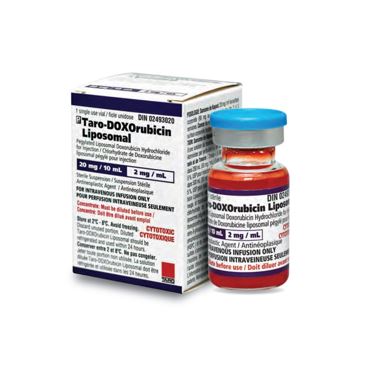
In terms of tolerance and side effects, both may cause common chemotherapy side effects such as bone marrow suppression, alopecia, nausea, vomiting, and mucositis. However, the cumulative toxicity of epirubicin to the heart at the same dose is significantly lower than that of doxorubicin, so it is safer in long-term combination chemotherapy or adjuvant chemotherapy. In addition, epirubicin has slightly less hematological toxicity and can improve patient tolerance and quality of life.
In clinical decision-making, the choice of doxorubicin or epirubicin should take into account factors such as patient age, cardiac function status, previous medication history, and tumor type. If the patient has good cardiac function and hopes to obtain a strong anti-tumor effect, doxorubicin can be given priority; if the patient has cardiac risks or requires long-term treatment, epirubicin is a safer choice. The final medication regimen should be formulated by the oncologist based on individualized assessment to balance efficacy and safety.
Reference materials:https://www.drugs.com/
[ 免责声明 ] 本页面内容来自公开渠道(如FDA官网、Drugs官网、原研药厂官网等),仅供持有医疗专业资质的人员用于医学药学研究参考,不构成任何治疗建议或药品推荐。所涉药品可能未在中国大陆获批上市,不适用于中国境内销售和使用。如需治疗,请咨询正规医疗机构。本站不提供药品销售或代购服务。


