
.jpeg)
Comparison of the differences between erlotinib/Tarceva and gefitinib
Erlotinib(Erlotinib) and gefitinib (Gefitinib) are both EGFR (epidermal growth factor receptor) targeted therapeutic drugs, which have significant effects in the treatment ofnon-small cell lung cancer (NSCLC) and other certain types of cancer. Although they belong to the same class of drugs and inhibit tumor growth by inhibiting the EGFR signaling pathway, there are some important differences between them in terms of drug properties, indications, therapeutic mechanisms, and clinical applications.
1. Drug mechanism and mechanism of action
Erlotinib and gefitinib are both small molecule tyrosine kinase inhibitors (TKI). By binding to the ATP binding site of the EGFR receptor, they inhibit its tyrosine kinase activity, thereby interfering with cell signal transduction and preventing the proliferation and growth of cancer cells. Although the mechanisms of action of the two are similar, erlotinib is different from gefitinib in molecular structure, which makes them different in specific pharmacological performance, efficacy and side effects.
2. Clinical indications
Erlotinib is mainly used to treat non-small cell lung cancer (NSCLC) and pancreatic cancer. In the treatment of non-small cell lung cancer, erlotinib is usually used in patients with EGFR mutation-positive tumors, especially those who are resistant to chemotherapy and radiotherapy. Due to its strong effect on EGFR mutations, erlotinib can effectively delay disease progression and improve patients' quality of life.
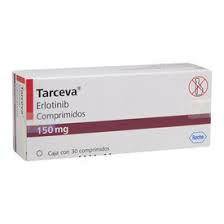
The indications of gefitinib are mainly focused on the treatment of non-small cell lung cancer, especially for patients with advanced or metastatic non-small cell lung cancer with EGFR mutations. Gefitinib has shown good efficacy in early clinical trials, especially in patients with EGFR activating mutations, and can significantly improve the response rate to treatment. Although gefitinib has also been studied in the treatment of other cancers, its main market and application is still concentrated in the field of non-small cell lung cancer.
3. Drug Differences
In terms of drug use, the difference between erlotinib and gefitinib is first reflected in the pharmacokinetics. Erlotinib usually needs to be taken with food to increase the bioavailability of the drug, while gefitinib is not affected by food and is usually more effective when taken on an empty stomach. In addition, erlotinib has relatively many side effects, including rash, diarrhea, abnormal liver function, etc., while the side effects of gefitinib are milder, mainly including rash, diarrhea, and fatigue. However, for some patients, the side effects of gefitinib are more tolerable.
4. Safety and Side Effects
Although the side effects of erlotinib and gefitinib overlap, their clinical manifestations are different. The side effects of erlotinib usually include rash, diarrhea, liver function abnormalities, etc., especially the incidence of rash is high, and patients need to be monitored regularly during treatment. In addition, erlotinib may cause some respiratory adverse reactions in patients, such as pneumonia or interstitial lung disease. The side effects of gefitinib are relatively mild, with common ones including rash, diarrhea, fatigue, etc. It is well tolerated by patients, but a few patients may also suffer from abnormal liver function and dry eyes.
The effectiveness of either treatment usually depends on the patient's specific condition. For patients with EGFR mutation-positive non-small cell lung cancer, the efficacy of erlotinib and gefitinib has been clinically proven. The choice of drug is usually based on the patient's drug resistance, disease progression, and side-effect tolerance.
Reference materials:https://en.wikipedia.org/wiki/Erlotinib
[ 免责声明 ] 本页面内容来自公开渠道(如FDA官网、Drugs官网、原研药厂官网等),仅供持有医疗专业资质的人员用于医学药学研究参考,不构成任何治疗建议或药品推荐。所涉药品可能未在中国大陆获批上市,不适用于中国境内销售和使用。如需治疗,请咨询正规医疗机构。本站不提供药品销售或代购服务。


