
.jpeg)
Is cemiplimab approved to treat non-small cell lung cancer?
Cemiplimab is not only used to treat cutaneous squamous cell carcinoma, but has also been approved by regulatory agencies in the United States and Europe for specific types of non-small cell lung cancer (NSCLC). This expansion makes it one of the broadest drugs among PD-1 inhibitors, especially in lung cancer patients with high PD-L1 expression.
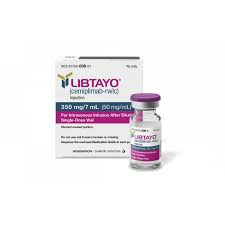
In the United States, cimepilimab is approved as a first-line treatment for advanced or metastatic NSCLC. It is mainly targeted at patients with high PD-L1 expression levels and the absence of driver gene mutations such as EGFR and ALK. Such patients have a more obvious response to immunotherapy and have become a typical beneficiary group of the "immune single-drug model". Overseas studies have shown that cimepilimab can bring significantly better tumor control rates and survival benefits than traditional chemotherapy. Many patients have experienced tumor shrinkage or stable disease during imaging evaluation, thereby extending progression-free survival time.
Clinical observations suggest that some NSCLC patients can achieve long-term disease remission after treatment, and the "lasting response" brought by immunotherapy has become a key difference from chemotherapy. In real-world data, the overall effective rate is usually maintained between 30% and 40%, which is similar to other PD-1/PD-L1 inhibitors and also reflects the consistent advantages of immunotherapy in lung cancer with high PD-L1 expression. In addition, in Europe, cimepilimab has even been combined with platinum-containing chemotherapy, expanding the scope of benefit so that more patients with lower PD-L1 expression may also have access to treatment opportunities.
In terms of safety, its adverse reactions are still immune-related, including involvement of the skin, digestive tract, lungs and endocrine system. Regular assessment of thyroid function, liver and kidney indicators and lung status is required. Although the risks associated with immunotherapy cannot be ignored, most patients can continue treatment after standardized management, thus ensuring the sustainability of the efficacy.
Reference materials:https://www.libtayohcp.com/
[ 免责声明 ] 本页面内容来自公开渠道(如FDA官网、Drugs官网、原研药厂官网等),仅供持有医疗专业资质的人员用于医学药学研究参考,不构成任何治疗建议或药品推荐。所涉药品可能未在中国大陆获批上市,不适用于中国境内销售和使用。如需治疗,请咨询正规医疗机构。本站不提供药品销售或代购服务。


