
.jpeg)
What are the main differences between ivonib/tosuvo and ensidipine
Although both Ivosidenib (Ivosidenib) and Ensidipine (Ensidipine) are drugs with clear clinical applications, they have significant differences in indications, mechanisms of action, drug categories and clinical management methods. Understanding these differences is crucial for patients and medical staff in rational drug use and disease management.
From the perspective of drug classification and mechanism of action, ivonib is an oral targeted small molecule drug that mainly blocks the accumulation of abnormal metabolite 2-HG by selectively inhibiting mutant isocitrate dehydrogenase 1 (IDH1), thereby inhibiting the proliferation of mutant cells in acute myeloid leukemia (AML), cholangiocarcinoma and myelodysplastic syndrome. Its function is to precisely intervene in the metabolic pathways of tumor cells and belongs to the category of molecular targeted therapy. In contrast, ensidipine is a calcium channel blocker that regulates vascular smooth muscle contraction mainly by blocking L type calcium channels, thereby lowering blood pressure and improving cardiovascular function. It is mainly used clinically for the management of hypertension and cardiovascular-related diseases. It is a cardiovascular system drug and is a symptomatic treatment rather than a tumor target.
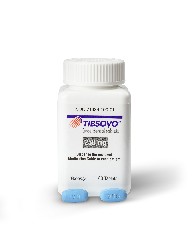
The differences in indications are obvious. Ivonib is mainly used to treat malignant hematological diseases or solid tumors associated with IDH1 mutations, typically including relapsed or refractory acute myeloid leukemia (AML), cholangiocarcinoma (CCA) and some myelodysplastic syndromes (MDS). By blocking the IDH1 mutation pathway, it can delay disease progression, improve blood indicators and tumor metabolism abnormalities. Ensidipine, on the other hand, is used for blood pressure management and cardiovascular protection. It is not involved in tumor treatment and has no direct effect on leukemia or tumor cells.
From the perspective of administration and management, ivonib is an oral targeted drug, and hematological indicators and metabolite levels usually need to be closely monitored during treatment to ensure that the drug concentration reaches the therapeutic window and reduces potential toxicity. Patients may need regular blood routine and tumor marker monitoring during use, and pay attention to drug interactions. Ensidipine is also taken orally, but its monitoring focuses on blood pressure control, heart rate changes, and cardiovascular function assessment, and does not usually involve complex hematology or molecular testing.
In addition, there are significant differences between the two in terms of side effects and risk management. Ivonib may cause hematological abnormalities, liver function changes or metabolic disorders, and the dosage and treatment rhythm need to be adjusted under the guidance of a professional doctor. Ensidipine mainly focuses on hypotension, dizziness or heart rate changes, which are common controllable side effects of drugs and are relatively simple to manage.
From the perspective of clinical goals, ivonib emphasizes precise intervention and disease modification, with the goal of improving prognosis and extending progression-free survival by blocking pathogenic mutation pathways; ensidipine focuses on symptom management and improvement of quality of life, and reduces the risk of cardiovascular events through blood pressure control.
In summary, the main differences between ivonib and ensidipine are drug class, mechanism of action, indications, clinical monitoring and treatment goals. Ivonib is a precision targeted drug for blood and some solid tumors, while ensidipine is a traditional treatment drug for the cardiovascular system. These differences directly determine the management strategies, monitoring methods, and patient education priorities in clinical application.
Reference materials: https://www.tibsovo.com/
[ 免责声明 ] 本页面内容来自公开渠道(如FDA官网、Drugs官网、原研药厂官网等),仅供持有医疗专业资质的人员用于医学药学研究参考,不构成任何治疗建议或药品推荐。所涉药品可能未在中国大陆获批上市,不适用于中国境内销售和使用。如需治疗,请咨询正规医疗机构。本站不提供药品销售或代购服务。


