
.jpeg)
Efficacy evaluation and clinical performance of cemiplimab
Cemiplimab (Cemiplimab), an important PD-1 inhibitor in the field of immunotherapy in recent years, is the first systemic treatment drug approved by US regulatory agencies specifically for advanced cutaneous squamous cell carcinoma (CSCC). With the deepening of immunological research, it has gradually been regarded as "an important alternative to deal with advanced skin cancer" in global tumor treatment, and has been included in the list of cancer treatment drugs recommended by the World Health Organization. This recognition stems from its stable efficacy and long response duration demonstrated in multiple international studies, providing a breakthrough option for advanced CSCC that already lacks effective drugs.
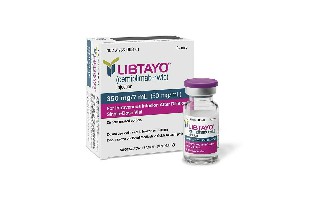
From a mechanism perspective, it relieves the immunosuppression of the PD-1 pathway and enables T cells to regain their ability to attack tumors, thereby improving the tumor control rate. Overseas studies have shown that among patients with advanced cutaneous squamous cell carcinoma who cannot undergo surgery or radiotherapy, a significant proportion of patients can achieve significant tumor shrinkage, and many cases even achieve complete remission. What is more valuable is that the remission of most patients can last for more than half a year, which is very rare in advanced skin cancer with limited traditional treatment options. Therefore, it is considered to have the potential of "lasting tumor control."
In terms of clinical manifestations, cimepilimab can not only reduce tumor volume, but also improve symptoms such as pain, ulceration, and risk of infection related to the lesions. Some patients have improved their quality of life after treatment, and their mobility and daily status have also stabilized. In multiple real-world application cases, it has also shown certain acceptability in the elderly and CSCC people with multiple underlying diseases, making it one of the immunization options that clinicians are increasingly choosing.
In terms of safety, similar to other immunotherapy drugs, its adverse reactions have "immune properties." Fatigue, rash, and mild gastrointestinal reactions are more common, while less common immune-mediated inflammation, such as lung, liver, and endocrine system involvement, requires early monitoring and rapid treatment by the treatment team.
Reference materials: https://www.libtayohcp.com/
[ 免责声明 ] 本页面内容来自公开渠道(如FDA官网、Drugs官网、原研药厂官网等),仅供持有医疗专业资质的人员用于医学药学研究参考,不构成任何治疗建议或药品推荐。所涉药品可能未在中国大陆获批上市,不适用于中国境内销售和使用。如需治疗,请咨询正规医疗机构。本站不提供药品销售或代购服务。


