
.jpeg)
Contraindicated groups and safe medication guidelines for Apremilast (Otelal)
Apremilast (Apremilast) is an oral phosphodiesterase4 (PDE4) inhibitor, mainly used to treat moderate to severe plaque psoriasis and active psoriatic arthritis. Its mechanism of action is by inhibiting PDE4 and increasing intracellular cAMP levels, thereby regulating the release of cytokines by inflammatory cells and reducing immune-mediated inflammatory reactions. Due to its convenient oral administration and relatively good tolerability, apremilast has become an important treatment option for patients with psoriasis and psoriatic arthritis. However, its use still has clear contraindications and safe medication regulations.
2. Overview of taboo groups
Patients with severe hepatic impairment: Apremilast is mainly excreted through liver metabolism (CYP3A4 pathway). Patients with severe hepatic impairment (Child-Pugh C grade) may cause drug accumulation and increase the risk of adverse reactions, so it is contraindicated.
Patients with severe renal impairment: Patients with severely reduced renal function (eGFR<30 mL/min/1.73m²) or patients undergoing dialysis should use it with caution and adjust the dose under the guidance of a doctor if necessary.
Pregnant and lactating women: There is insufficient safety data, and pregnant and lactating women should avoid use to prevent potential effects on the fetus or infant.
Known allergy to apremilast or excipients: Any patient with a history of allergy to drug ingredients is prohibited from taking this drug to avoid allergic reactions.
3. Medication precautions for special groups of people
Elderly patients: The liver and kidney functions of the elderly may decline. The dosage should be adjusted under the guidance of a doctor, and hematological and biochemical indicators should be closely monitored.
Patients with underweight or malnutrition: Apremilast may cause weight loss or loss of appetite. Patients with underweight should regularly monitor their weight and nutritional status.
Patients with cardiovascular disease or diabetes: Although the drug itself has low cardiovascular risk, changes in weight and metabolic indicators need to be paid attention to. If necessary, blood pressure, blood sugar and blood lipids should be jointly monitored.
4. Safe Medication Guide—Dosage and Administration
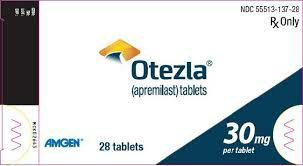
The standard dose of apremilast is an initial dose gradually increased to 10 mg twice daily→20 mg→30 mg, and the maintenance dose is 30 mg Take orally twice daily with or without food. The following principles should be followed when taking medicine:
Take the medication strictly according to the doctor's instructions: Do not increase or decrease the dose on your own or stop the medication suddenly to avoid affecting the efficacy or causing rebound adverse reactions.
Regular follow-up: Monitor body weight, liver and kidney function and blood indicators monthly in the early stage of treatment to evaluate tolerance and efficacy.
Handle common adverse reactions: such as diarrhea, nausea or headache, which can be relieved by taking it in divided doses, eating with meals or symptomatic treatment; if there is significant weight loss or mental depression, you should contact your doctor in time to adjust the plan.
5. Combined medication and precautions
Apremilast is metabolized by CYP3A4, so caution is required when used in combination with potent CYP3A4 inhibitors or inducers, which may affect blood concentration or efficacy. For example:
Potent inhibitors (such as ketoconazole) may increase plasma concentrations and need to be monitored for adverse reactions.
Strong inducers (such as rifampicin) may reduce efficacy, and dose adjustment or alternative drug selection may be necessary if necessary.
In addition, long-term medication should pay attention to mental health. Some patients may experience mild depression or mood swings and require psychological evaluation and intervention.
6. Principles of drug withdrawal and adjustment
If serious adverse reactions or poor efficacy occur during treatment, the drug can be gradually discontinued or the dose adjusted under the guidance of a doctor to avoid sudden drug withdrawal causing a rebound. For patients with mildly impaired liver and kidney function, safe treatment can be achieved by extending the dosage interval or reducing the dosage. Long-term maintenance treatment should comprehensively consider efficacy, tolerance and patient quality of life, and carry out individualized management.
7. Patient education and management
While taking apremilast, patients should understand drug contraindications, common side effects and medication safety principles:
Take medicine on time as directed by your doctor and do not adjust the dosage without authorization;
Regularly review weight, liver and kidney function and blood indicators;
Pay attention to mental health and quality of life. If you have obvious depression, anxiety or abnormal symptoms, you should seek medical treatment in time;
A reasonable diet, moderate exercise, and drug treatment can improve the efficacy.
Through standardized medication, regular monitoring and individualized management, apremilast can maximize efficacy while reducing risks, providing a safe and sustainable long-term treatment option for patients with moderate to severe psoriasis and psoriatic arthritis.
Reference materials:https://www.drugs.com/
[ 免责声明 ] 本页面内容来自公开渠道(如FDA官网、Drugs官网、原研药厂官网等),仅供持有医疗专业资质的人员用于医学药学研究参考,不构成任何治疗建议或药品推荐。所涉药品可能未在中国大陆获批上市,不适用于中国境内销售和使用。如需治疗,请咨询正规医疗机构。本站不提供药品销售或代购服务。


