
.jpeg)
Osimertinib (Tagrisso) resistance mechanism and histological analysis interpretation
Osimertinib (Osimertinib) is an oral third-generation EGFRtyrosine kinase inhibitor (EGFR-TKI), mainly used for treatment span>EGFRmutation-positive non-small cell lung cancer (NSCLC), especially T790M mutation-positive patients. Although osimertinib shows a high response rate and progression-free survival in initial treatment, most patients will still develop drug resistance after long-term use, leading to disease recurrence or progression. The drug resistance mechanism is complex and involves multiple molecular events in EGFR-dependent and -independent pathways.
EGFR-dependent resistance mainly includes C797S mutation, EGFR gene amplification or secondary mutation. The C797S mutation will destroy the covalent binding site between osimertinib and EGFR, making the drug unable to effectively inhibit receptor tyrosine kinase activity. Some patients experience EGFR gene amplification, which can lead to an increase in signal intensity and thereby overcome the inhibitory effect of drugs. This type of drug resistance is often manifested as recurrence of the primary tumor site or original metastasis. Histological examination usually shows that the adenocarcinoma structure remains, but the cell proliferation activity increases.
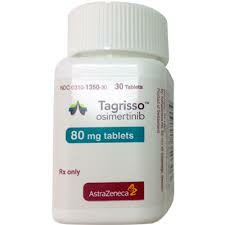
Independent resistance mechanisms includeMET or HER2 amplification, PI3K/AK T pathway activation, epidermal-to-mesenchymal transition (EMT) and small cell lung cancer transformation (SCLC), etc. METamplification or other bypass activation can bypass EGFR signaling and maintain tumor cell growth. In histological analysis, it can be observed that some patients' tumors undergo histological transformation, such as adenocarcinoma transforming into small cell lung cancer, or an obvious EMT phenotype, accompanied by changes in cell morphology, decreased adhesion, and enhanced invasion ability.
Histological and molecular analysis are crucial for the determination of osimertinib resistance and the selection of subsequent treatment options. Biopsy combined with NGS or FISH testing can identify the C797S mutation, METAmplification orSCLCtransformation provides clinical evidence for precise treatment. For EGFR-dependent resistance, you can try to combine the first /second-generation EGFR-TKI or new covalent inhibitors; for Independent resistance, you can consider MET inhibitors, chemotherapy or immunotherapy. Overall, drug resistance mechanisms are complex and diverse, and individualized treatment and dynamic monitoring are important strategies to delay disease progression and improve survival.
Reference materials:https://www.drugs.com/
[ 免责声明 ] 本页面内容来自公开渠道(如FDA官网、Drugs官网、原研药厂官网等),仅供持有医疗专业资质的人员用于医学药学研究参考,不构成任何治疗建议或药品推荐。所涉药品可能未在中国大陆获批上市,不适用于中国境内销售和使用。如需治疗,请咨询正规医疗机构。本站不提供药品销售或代购服务。


