
.jpeg)
Valganciclovir Correct Usage, Dosage and Medication Guide
1. Overview of Drugs
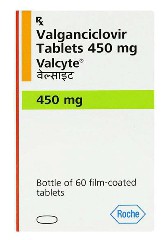
Valganciclovir (trade name "Valganciclovir") is an oral prodrug that is rapidly converted into ganciclovir (Ganciclovir) in the body and is an antiviral drug. It is mainly used to prevent and treat cytomegalovirus (CMV) infection, especially for organ transplant patients (kidney transplant, liver transplant, etc.) and people with low immune function. Valganciclovir inhibits viral DNA polymerase and blocks CMV DNA replication, thereby controlling virus reproduction and reducing the risk of infection and complications. The advantage of oral administration is that it is highly convenient and can reduce the number of hospitalizations and risks associated with intravenous administration compared with intravenous administration.
2. Routine usage and dosage
The dosage of valganciclovir needs to be individually adjusted based on the patient's age, renal function, type of infection and risk classification. Common adult uses are as follows:
1.CMVProphylaxis (high-risk organ transplant patients): The general dose is 900 mgTaken orally once daily, usually for 3 months (kidney transplant) or 6 months (heart /lung transplant). The specific course of treatment is adjusted according to the doctor's evaluation.
2.CMVTreatment (active infection): The recommended starting dose is 900 mg taken orally twice a day, and continuous treatment 21 days constitutes a course of treatment. Subsequent maintenance dose adjustments can be made based on virological monitoring and clinical response.
3. Pediatric patients: Calculate the dosage based on body surface area or weight, and strictly follow the doctor's prescription to avoid overdose.
4.Patients with renal insufficiency need to adjust the dose according to the glomerular filtration rate (eGFR) to avoid bone marrow suppression or nephrotoxicity caused by drug accumulation.
3. Medication Guidelines and Precautions
1. Relationship with food: Valganciclovir can be taken with meals to improve absorption and reduce gastrointestinal discomfort; it can be taken before or after meals, but it should be administered regularly every day.
2. Medication compliance: The entire course of treatment must be completed strictly in accordance with the doctor's instructions. Even if the symptoms are relieved, the medication must not be stopped at will to avoid viral resistance and recurrence.
3.Liquid intake: Adequate fluid intake should be maintained during medication to help distribute the medication and reduce adverse reactions in the urinary system.
4.Drug interactions: Doctors should be informed of all drugs being used, including immunosuppressants (cyclosporine, tacrolimus), other antiviral drugs, NSAIDs, etc., to prevent drug interactions leading to increased toxicity.
4. Adverse reaction monitoring and management
Common adverse reactions of valganciclovir include bone marrow suppression (neutropenia, thrombocytopenia), renal damage, diarrhea, nausea, headache, etc. Although serious side effects are rare, blood routine and kidney function need to be closely monitored:
1. Hematology monitoring: Blood routine should be monitored every week or every two weeks during the medication. If a significant decrease in neutrophils is found, the dose should be appropriately delayed or the medication discontinued, and growth factor support should be used according to the doctor's recommendations.
2.Renal function monitoring: Regularly detect serum creatinine andeGFR. Patients with declining renal function need to adjust the dose.
3. Prevention of infection and complications: Because bone marrow suppression may increase the risk of infection, patients need to pay attention to personal hygiene and avoid contact with sources of infection. If they have fever or infection symptoms, they should seek medical treatment in time.
5. Patient education and long-term management
1.Complete the course of treatment as directed by the doctor: Prevention and treatment ofCMV infection requires a complete course of treatment to reduce recurrence and drug resistance.
2.Regular follow-up: including viral load testing, blood and kidney function monitoring, and assessment of adverse reactions.
3.Life management: maintain a regular schedule, a balanced diet and moderate exercise to improve immunity.
4.Avoid adjusting the dosage on your own: Do not increase or decrease the dosage on your own due to improvement of symptoms or discomfort. All adjustments must be guided by a professional doctor.
Valganciclovir (Vansavir), as an oral antiCMV drug, has important clinical value in organ transplant patients and people with low immune function. Correct usage and dosage, standardized medication guidelines, and blood and kidney function monitoring are the keys to ensuring efficacy and safety. By following medical instructions, maintaining compliance, and managing life, patients can effectively prevent or control CMV infection, reduce the risk of complications, and improve overall prognosis and quality of life.
Reference materials:https://www.drugs.com/
[ 免责声明 ] 本页面内容来自公开渠道(如FDA官网、Drugs官网、原研药厂官网等),仅供持有医疗专业资质的人员用于医学药学研究参考,不构成任何治疗建议或药品推荐。所涉药品可能未在中国大陆获批上市,不适用于中国境内销售和使用。如需治疗,请咨询正规医疗机构。本站不提供药品销售或代购服务。


