
.jpeg)
Usage, dosage and individualized adjustment plan of rubitin/rubicatin (Zanbiga)
Lurbinectedin is a new type of DNA transcription inhibitor, mainly used to treat metastatic small cell lung cancer (SCLC) and some patients with solid tumors. Its pharmacological mechanism inhibits the activity of RNA polymerase II by binding to DNA, thereby blocking the transcription process of tumor cells and inducing apoptosis. Clinically, rubitidine is administered by intravenous infusion and is a cyclic chemotherapy drug. The standard usage and dosage need to be formulated based on the patient's body surface area and overall health status.
The standard dose is usually 3.2 mg per square meter of body surface area, via intravenous infusion for about 1 hour, with one course of treatment every 3 weeks. This protocol has been clinically proven to ensure the anti-tumor effect of the drug while allowing patients to obtain sufficient recovery time between treatment courses and reduce the risk of side effects such as bone marrow suppression, nausea and vomiting. When taking the drug for the first time, doctors usually conduct blood routine, liver and kidney function and electrolyte tests to ensure that the patient is suitable for the dose, and fine-tune it according to the patient's tolerance in subsequent cycles.
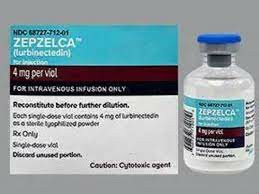
Individualized dosage adjustment is an important step in the safe use of rubitidine. For patients with severe bone marrow suppression or impaired liver function, the dose can be appropriately reduced or the dosing interval extended to reduce the incidence of adverse events. If a patient develops grade 3 or above adverse reactions during treatment, such as severe neutropenia, thrombocytopenia, or significant elevation of liver enzymes, treatment should be suspended until symptoms improve, and then treatment should be continued with a reduced dose regimen. Elderly patients or those with chronic diseases need to pay special attention to tolerance and adjust the dosage step by step under the guidance of a physician.
During medication, combined with supportive treatment and lifestyle management, safety and efficacy can be improved. Patients should maintain a good diet, take adequate rest, and avoid infection. At the same time, they should regularly review blood routine, liver and kidney function, and tumor markers, and promptly evaluate the efficacy and side effects. Through scientific formulation of standard doses, flexible individualized adjustments and comprehensive management, rubitidine can achieve a safe and controllable treatment plan while ensuring efficacy, helping patients obtain the best clinical benefits.
Reference materials:https://www.drugs.com/
[ 免责声明 ] 本页面内容来自公开渠道(如FDA官网、Drugs官网、原研药厂官网等),仅供持有医疗专业资质的人员用于医学药学研究参考,不构成任何治疗建议或药品推荐。所涉药品可能未在中国大陆获批上市,不适用于中国境内销售和使用。如需治疗,请咨询正规医疗机构。本站不提供药品销售或代购服务。


