
.jpeg)
Analysis of drug safety and long-term use risks of sparsentan
Sparsentan () is an innovative oral drug mainly used to treat primary or secondary glomerular diseases, especially patients with chronic kidney disease with proteinuria. The drug simultaneously blocks endothelin receptors and angiotensin II receptors through a dual mechanism of action, thereby reducing proteinuria and delaying the decline of renal function. In terms of drug safety, clinical studies show that patients generally tolerate it well during short-term use, but some common adverse reactions still need to be paid attention to, such as hypotension, increased serum creatinine, and electrolyte abnormalities.
There may be risks with long-term use of sparsentane, especially in patients with already compromised kidney function. Due to its dual vasoactive mechanism, some patients may experience excessive drops in blood pressure, fluctuations in renal function indicators, or hyperkalemia. Therefore, during treatment, blood pressure, renal function, and blood potassium levels need to be monitored regularly so that abnormalities can be detected promptly and intervention measures can be taken, such as dose adjustment or short-term drug discontinuation.
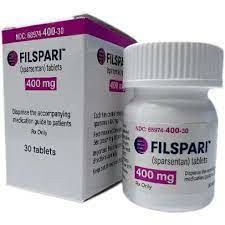
In addition, long-term use of sparsentane requires attention to cardiovascular and hepatic risks. Clinical observations suggest that some patients may experience heart rate changes or elevated liver enzymes, especially when other antihypertensive drugs or hepatic metabolism drugs are used concomitantly. Patients should manage combined medications under the guidance of a doctor to avoid adverse events caused by potential drug interactions. Through standardized follow-up and regular laboratory testing, the risks of long-term medication can be significantly reduced.
In general, sparsentane has significant efficacy in reducing proteinuria and delaying the decline of renal function, but long-term safety needs to be ensured through scientific management. During use, patients should strictly follow medical advice, regularly review blood pressure, kidney function, electrolytes and liver function, and report any abnormal symptoms in a timely manner. At the same time, maintaining a good lifestyle, such as controlling salt intake, regular exercise and a reasonable diet, can also help reduce potential risks and achieve safe and effective long-term treatment.
Reference materials:https://www.drugs.com/
[ 免责声明 ] 本页面内容来自公开渠道(如FDA官网、Drugs官网、原研药厂官网等),仅供持有医疗专业资质的人员用于医学药学研究参考,不构成任何治疗建议或药品推荐。所涉药品可能未在中国大陆获批上市,不适用于中国境内销售和使用。如需治疗,请咨询正规医疗机构。本站不提供药品销售或代购服务。


