
.jpeg)
The main effects and common side effects of Erlotinib/Tarceva
Erlotinib (Erlotinib) is an oral small molecule tyrosine kinase inhibitor that mainly targets the epidermal growth factor receptor (EGFR) and has shown significant efficacy in specific solid tumors such as advanced non-small cell lung cancer (NSCLC) and pancreatic cancer. Its mechanism of action relies on blocking the EGFR signaling pathway, thereby inhibiting the proliferation, invasion and angiogenesis of cancer cells, while promoting tumor cell apoptosis.
Since EGFR is highly expressed or has specific mutations in a variety of tumors, erlotinib can achieve precise intervention, especially for patients with EGFR mutation-positive non-small cell lung cancer. Through continuous oral administration, erlotinib can delay disease progression to a certain extent, improve patients' quality of life, and provide a well-tolerated treatment option for patients who cannot accept traditional chemotherapy. Tarceva has become an important part of EGFR-targeted therapy in clinical practice. Its advantages include oral convenience, sustainable treatment, and strong targeting of specific molecular subtypes of tumors, allowing it to be used as a single-agent maintenance or combination regimen at different treatment stages.
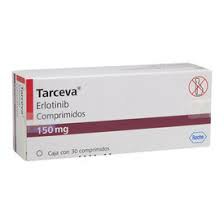
Clinical guidelines recommend that in patients with advanced non-small cell lung cancer, erlotinib can be used as one of the first targeted therapies when the EGFR mutation test result is positive. For pancreatic cancer, erlotinib is often used in combination with gemcitabine to delay disease progression. Although erlotinib has obvious efficacy, its side effects are also prominent and require joint management by clinicians and patients. The most common adverse reactions are skin reactions, including acne-like rash, dry skin, itching and nail abnormalities. These skin manifestations usually appear in the early stages of medication. The severity varies depending on individual differences, but most can be alleviated through topical skin care or dosage adjustment.
In addition, digestive system side effects are also a common problem for patients, manifesting as diarrhea, nausea, vomiting or loss of appetite. Especially during long-term use, they may affect nutritional status and require timely monitoring and symptomatic treatment. Another noteworthy risk is abnormal liver function and interstitial lung disease (ILD). Although the incidence is low, it may have a significant impact on patient health. Therefore, liver function assessment and lung imaging monitoring should be performed regularly before and during medication. Some patients may experience eye irritation or slight fatigue, which also prompts that attention should be paid to maintaining quality of life during long-term use. Drug interactions with food or other drugs may also affect the efficacy of erlotinib, so patients need to take it under the guidance of a doctor and try to avoid simultaneous use with strong liver enzyme inducers or inhibitors.
In general, erlotinib is widely used clinically as Tarceva and has clear efficacy The main efficacy of EGFR-targeted drugs is to control tumor progression and improve quality of life. Although side effects are common, most can be effectively controlled through standardized management, individualized dose adjustment and adjuvant treatment. With the development of precision medicine, the role of erlotinib has become more clear. For patients with EGFR-mutated non-small cell lung cancer, it is still an important option to delay the disease process and improve the quality of life. Doctors and patients need to work closely to scientifically deal with rash, digestive discomfort, and rare but serious lung and liver side effects to ensure the safety and effectiveness of treatment.
Reference materials:https://en.wikipedia.org/wiki/Erlotinib
[ 免责声明 ] 本页面内容来自公开渠道(如FDA官网、Drugs官网、原研药厂官网等),仅供持有医疗专业资质的人员用于医学药学研究参考,不构成任何治疗建议或药品推荐。所涉药品可能未在中国大陆获批上市,不适用于中国境内销售和使用。如需治疗,请咨询正规医疗机构。本站不提供药品销售或代购服务。


