
.jpeg)
Long-term maintenance treatment with venetoclax/venetoclax (venetoclax) can last for several years and is safe
Venetoclax (also known as venetoclax) is a selective BCL-2 inhibitor, mainly used to treat chronic lymphocytic leukemia ( CLL), acute myeloid leukemia (AML) and other BCL-2-dependent hematological malignancies. By inhibiting the anti-apoptotic protein BCL-2, it induces cancer cell apoptosis and thereby controls tumor progression. In clinical practice, venetoclax is often used in initial combination therapy or maintenance therapy after remission, and its long-term use plays an important role in maintaining efficacy and prolonging progression-free survival (PFS).
Clinical data show that venetoclax can be used for long-term maintenance treatment after remission, but the specific course of treatment needs to be individually adjusted based on the type of disease, patient response and tolerance. For CLL patients, it can generally last for months to years. After reaching deep remission (such as MRD negative), some patients can gradually stop taking the drug or extend the dosing interval after evaluation with their doctor. AMLThe maintenance treatment regimen for AML patients is usually combined with a combination chemotherapy regimen, and long-term oral maintenance can also be performed based on the risk of recurrence. In general, long-term maintenance treatment with venetoclax can last for more than 3 years, and some clinical observations have even reached 5 years, but the efficacy and side effects need to be monitored under the guidance of a doctor.
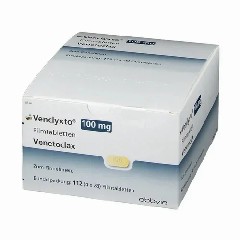
Common adverse reactions of long-term use of venetoclax include neutropenia, anemia, thrombocytopenia, diarrhea, fatigue and upper respiratory tract infection. Most are mild to moderate and can be controlled through dose adjustment, extended drug interval, or symptomatic and supportive treatment. Long-term safety observation shows that patients generally tolerate it well, but they still need to be wary of tumor lysis syndrome (TLS), infection and severe hematological toxicity. Therefore, blood routine, electrolytes, liver and kidney function should be regularly monitored during long-term maintenance of venetoclax, and potential complications should be dealt with in a timely manner.
Long-term venetoclax maintenance therapy should be individualized based on the patient's disease status, efficacy assessment, and tolerability. You can start with the standard dose initially, and adjust the dose or extend the dosing interval based on side effects after achieving relief. Patients should maintain good living habits and diet during treatment, and regularly review hematological indicators and imaging to assess tumor burden. At the same time, patients need to maintain close communication with their doctors and report discomfort symptoms in a timely manner. Through standardized and individualized management, venetoclax can maximize the efficacy of long-term maintenance treatment while maintaining safety.
Reference materials:https://www.drugs.com/
[ 免责声明 ] 本页面内容来自公开渠道(如FDA官网、Drugs官网、原研药厂官网等),仅供持有医疗专业资质的人员用于医学药学研究参考,不构成任何治疗建议或药品推荐。所涉药品可能未在中国大陆获批上市,不适用于中国境内销售和使用。如需治疗,请咨询正规医疗机构。本站不提供药品销售或代购服务。


