
.jpeg)
What is the clinical efficacy of elacestrant? Real patient treatment feedback and effect evaluation
Elacetrant (trade name: Orserdu) is an oral selective estrogen receptor degrader (oral SERD), specifically targeting estrogen receptor positive (ER+), human epidermal growth factor receptor2 negative (HER2–) breast cancer patients, especially those with advanced or metastatic breast cancer who carry ESR1 gene mutations and have experienced disease progression after first-line or multiple lines of endocrine therapy. Compared with traditional estrogen receptor modulators (such as tamoxifen) or injectable SERDs, elastran provides the convenience of oral administration and provides a new treatment option for patients with refractory breast cancer by targeting the degradation of estrogen receptors and blocking cancer cell growth signals.
The efficacy of elastran is mainly derived from a number of clinical studies, the most representative of which is the III phase EMERALD study. In this study, elastran significantly prolonged progression-free survival (PFS) compared with standard endocrine therapy (SOC, including anastrozole, letrozole, or fulvestrant). The study showed that among all patients, the median PFS was 3.8 months with elastran and 1.9 months in the SOC group. Especially in the group of patients carrying ESR1 mutations, the median PFS of elastran is also 3.7 months, much higher than the SOC group's 1.9 months. This data demonstrates that elastran can maintain effective tumor control and delay disease progression in patients with advanced breast cancer who are resistant to conventional endocrine therapy.
In addition to the PFS data, elastran also showed positive benefits in terms of patient-reported quality of life (PROs). Studies have shown that compared with the SOC group, the incidence of side effects of elastran was lower, especially in areas such as nausea, vomiting and fatigue. At the same time, the patient's overall health and functional status remained stable without significant decline. This shows that while elastran can prolong the curative effect, it can also maintain the patient's quality of life, reduce discomfort during treatment, and provide feasibility for long-term treatment.
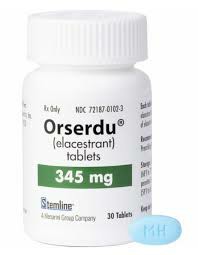
Patients’ real-life experience is generally positive. Many patients said that compared with injectable drugs, oral elastran is more convenient at home or in daily life, reducing the burden of hospital infusion. Most patient-reported side effects are mild to moderate and include mild fatigue, nausea, or rash, usually occur early in treatment and are relieved by simple symptomatic management. A few patients may require dose adjustments or brief drug discontinuations, but overall the drug is well tolerated. Patients generally believe that the convenience of drug administration and good efficacy make it easier for them to accept long-term treatment in terms of psychological and life management.
Although elastran is well tolerated, potential side effects still need to be considered. Common adverse reactions include nausea, fatigue, joint pain, loss of appetite, and mild liver function abnormalities. In clinical practice, doctors will advise patients to regularly monitor liver function and hematological indicators, and adjust the dosage according to the severity of side effects. Mild to moderate side effects can be alleviated through lifestyle adjustments, dietary management, or symptomatic drugs. If serious side effects occur, such as significant liver function abnormalities or persistent high fever, the drug should be stopped in time and medical treatment should be conducted to ensure safety.
Currently, research on elastran continues to expand, including combination therapy with other targeted drugs. For example, combined use with CDK4/6 inhibitors (such as abecilib) may further improve the efficacy and prolong progression-free survival. In addition, application research in patients with early breast cancer is also in progress, and its scope of indications is expected to be expanded in the future. Scientists are also exploring its efficacy in patients with different drug resistance mechanisms to achieve personalized and precise treatment.
In clinical application, elastran is suitable for patients with ER+/HER2–, ESR1 mutated advanced breast cancer who have received first-line or multiple lines of endocrine therapy. During use, patients need to regularly review tumor markers, imaging examinations, liver function and other indicators to promptly evaluate efficacy and safety. Physicians should develop individualized dosing plans based on individual patient differences, including starting doses, combined medications, and follow-up plans. At the same time, patients and their families need to understand the possible side effects of drugs and treatment measures so that they can conduct self-monitoring and timely communication during the treatment process.
In general, as the first oral SERD, elastran provides new treatment hope for patients with advanced ER+/HER2– breast cancer. It performed well in terms of prolonging progression-free survival, maintaining quality of life, and tolerability. Patient feedback shows that the oral administration method and controllable side effects make it practical for clinical application. With the advancement of more combination drugs and early-stage studies, elastran is expected to further optimize breast cancer treatment options and bring clinical benefits to more patients.
Reference materials:https://www.drugs.com/
[ 免责声明 ] 本页面内容来自公开渠道(如FDA官网、Drugs官网、原研药厂官网等),仅供持有医疗专业资质的人员用于医学药学研究参考,不构成任何治疗建议或药品推荐。所涉药品可能未在中国大陆获批上市,不适用于中国境内销售和使用。如需治疗,请咨询正规医疗机构。本站不提供药品销售或代购服务。


