
.jpeg)
Analysis on the rationality of treatment of Roaccutane (isotretinoin): Is the dosage of one pill a day too small?
Isotretinoin is an oral retinoic acid drug used to treat moderate to severe acne. It mainly improves acne by inhibiting sebaceous gland secretion, regulating keratinization and anti-inflammatory effects. The traditional clinical course of treatment usually calculates the dose based on the patient's weight. The recommended starting dose is 0.5–1 mg/kg/day, divided into one or two doses to achieve effective blood concentration and achieve long-term relief of acne.
If the "one pill a day" regimen is adopted, the matching of the drug dosage with the patient's weight needs to be considered. The commonly used specifications for adults are 10mg, 20mg or 40mg/ capsules. If the patient is heavier, one capsule may only provide an amount of drug lower than the recommended starting dose, and the blood concentration will be difficult to reach the ideal level of inhibiting sebum secretion and inflammatory response. Therefore, for patients who are heavier or have moderate to severe disease, one pill a day may not be effective enough, and the doctor needs to adjust the dosage according to weight and disease.
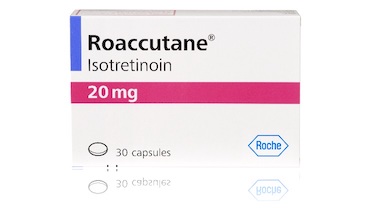
The low-dose one-pill-a-day regimen still has certain efficacy in some mild to moderate patients, and is especially suitable for patients with poor skin tolerance or risk of side effects. Low-dose use can significantly reduce the incidence of side effects such as dry lips, skin sensitivity, abnormal liver function, and elevated blood lipids, while maintaining a certain clinical effect. However, for patients with moderate to severe acne or poor response to previous treatments, low doses may lead to a longer course of treatment and an increased risk of recurrence, and efficacy and safety need to be weighed.
Taken together, whether the dosage of one pill a day is reasonable needs to be evaluated based on the patient's weight, acne severity and tolerance. Doctors usually make individual adjustments based on clinical efficacy and side effects, and may increase the daily dose or take it in divided doses to achieve treatment goals. During treatment, patients should regularly monitor blood lipids, liver function and skin reactions, and maintain good skin care habits. Through scientific dosage adjustment and strict follow-up, acne control and long-term relief can be achieved while taking into account safety and efficacy.
Reference materials:https://www.drugs.com/
[ 免责声明 ] 本页面内容来自公开渠道(如FDA官网、Drugs官网、原研药厂官网等),仅供持有医疗专业资质的人员用于医学药学研究参考,不构成任何治疗建议或药品推荐。所涉药品可能未在中国大陆获批上市,不适用于中国境内销售和使用。如需治疗,请咨询正规医疗机构。本站不提供药品销售或代购服务。


