
.jpeg)
Instructions on the long-term medication safety and precautions of Asnib/Asiminib (Sinbel)
Asciminib (also known as Asciminib) is a new type of BCR-ABL1 inhibitor, which belongs to the "STAMP" class of targeted drugs (Specifically Targeting the ABL Myristoyl Pocket ). Its mechanism is different from traditional tyrosine kinase inhibitors (TKI). It binds to the sarcosyl pocket of BCR-ABL1 protein to inhibit its activity, thereby blocking the abnormal proliferation of chronic myelogenous leukemia (CML) cells. Unlike early TKIs such as imatinib, dasatinib, and nilotinib, asinib can inhibit ATP binding sites and non-ATP-dependent signaling pathway, so it can overcome some drug resistance mutations (such as T315I mutation) and show significant efficacy in multi-line treatment or refractory patients. As more and more patients take this drug for a long time, the safety and long-term management of asinib have become the focus of clinical attention.
According to current clinical trial data (including the ASCEMBL study, etc.), asinib has shown good safety and tolerability in long-term use. Most adverse reactions are mild to moderate and can be alleviated by dose adjustment or brief discontinuation of the drug. The most common adverse reactions include fatigue, headache, nausea, diarrhea and mild rash; some patients may experience increased liver function indicators or changes in creatinine. In addition, asinib can cause hematological adverse reactions, such as neutropenia, thrombocytopenia, and anemia, which are usually more common in the early stages of treatment and require regular blood routine monitoring. No significant cardiovascular toxicity or serious organ damage was seen during long-term use, which is a major advantage compared with second- and third-generation TKI drugs (such as the risk of ECG prolongation of nilotinib). Overall, Asnib is relatively safe in long-term use, but it still requires individualized monitoring and management.
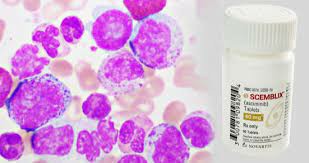
In order to ensure the safe use of Asnib, it is recommended that patients undergo regular laboratory tests, including blood routine, liver and kidney function, blood sugar and lipid levels, during the initial stage of treatment and during long-term medication. For patients who experience mild hepatic dysfunction or hematological toxicity, tolerability can be improved by reducing the dose (for example, changing from 80 mg daily to 40 mg daily) or intermittent administration. If severe bone marrow suppression occurs, treatment should be suspended and restarted after the blood picture recovers. When taking medication for a long time, you also need to pay attention to potential drug interactions, such as with CYP3A4The simultaneous use of strong inhibitors (such as clarithromycin, ketoconazole) may lead to an increase in drug concentration, so combined use should be avoided or the dosage should be adjusted. Also, attention should be paid to avoid the effects of high-fat diet, excessive alcohol intake and other factors on liver metabolism. Female patients should avoid pregnancy during the childbearing period and take effective contraceptive measures during medication and for at least one week after discontinuation of medication.
During long-term use of Asnib, in addition to medical monitoring, patients should also pay attention to lifestyle and psychological adjustment. Maintaining a regular schedule, a balanced diet, and moderate exercise can improve drug efficacy and body tolerance. If minor side effects such as fatigue and stomach discomfort occur, the medication time can be adjusted or taken in divided doses under the guidance of a doctor. For patients in long-term remission, doctors usually regularly evaluate the molecular response level (MR3.0, MR4.0, etc.) to determine whether it is possible to enter the "treatment discontinuation" stage. If the patient has stably reached deep molecular remission (DMR) and meets the criteria for drug discontinuation, he or she can try to discontinue the drug for observation under close monitoring by doctors. Overall, as a new generation of BCR-ABL1 inhibitors, asinib not only performs outstandingly in efficacy, but also has superior long-term safety. It is an important choice for long-term maintenance treatment of CML patients. However, safe medication must follow the guidance of doctors and adhere to monitoring and follow-up, so as to control the condition while ensuring medication safety and quality of life to the greatest extent.
Reference materials:https://www.drugs.com/
[ 免责声明 ] 本页面内容来自公开渠道(如FDA官网、Drugs官网、原研药厂官网等),仅供持有医疗专业资质的人员用于医学药学研究参考,不构成任何治疗建议或药品推荐。所涉药品可能未在中国大陆获批上市,不适用于中国境内销售和使用。如需治疗,请咨询正规医疗机构。本站不提供药品销售或代购服务。


