
.jpeg)
What is the difference between Elacetrant and Everolimus? Which drug is more suitable for patients to use
Elacetrant is an oral selective estrogen receptor degrader (SERD), mainly used to treat hormone receptor-positive (HR+), HER2-negative advanced or metastatic breast cancer. It inhibits the estrogen signaling pathway by selectively degrading the estrogen receptor (ER), thereby preventing the growth of cancer cells. In contrast, everolimus (Everolimus) is an oral mTOR inhibitor that works by blocking
Elagrastrant is mainly used for patients with advanced breast cancer who have previously been treated with aromatase inhibitors and developed resistanceHR+/HER2-. It has been shown in clinical trials that it can delay disease progression and improve progression-free survival (PFS). It is also convenient for oral administration and well tolerated. Everolimus is mostly used in combination therapy when breast cancer patients develop endocrine resistance. It can control tumor growth while prolonging PFS. However, it has relatively many side effects, such as stomatitis, infection risk, pneumonia and metabolic abnormalities.
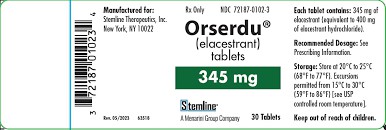
Common adverse reactions of elastran include hot flashes, nausea, fatigue and joint pain, most of which are mild to moderate and well tolerated by patients, with a low incidence of serious side effects. The side effects of everolimus are relatively more obvious. In addition to the common stomatitis, rash, and infection, there may also be increased blood sugar, lipid abnormalities, and interstitial lung disease, which require more stringent monitoring and management. Better-tolerated drugs are generally better suited for older patients or those with multiple comorbidities.
For HR+/HER2- advanced breast cancer patients, if the main problem is aromatase inhibitor resistance and they want oral treatment and reduce the burden of side effects, elastran may be more suitable; and for patients who have developed endocrine resistance and need combination therapy to delay tumor progression, everolimus still has certain advantages. The final drug selection should be based on the patient's specific condition, drug resistance, comorbid diseases, and financial affordability, and be decided by the attending physician after a comprehensive evaluation.
Reference materials:https://www.drugs.com/
[ 免责声明 ] 本页面内容来自公开渠道(如FDA官网、Drugs官网、原研药厂官网等),仅供持有医疗专业资质的人员用于医学药学研究参考,不构成任何治疗建议或药品推荐。所涉药品可能未在中国大陆获批上市,不适用于中国境内销售和使用。如需治疗,请咨询正规医疗机构。本站不提供药品销售或代购服务。


