
.jpeg)
What is the difference between selumetinib/coceyu and trametinib?
Selumetinib and Trametinib are both targeted drugs targeting the MEK pathway, but they have significant differences in indications, molecular structures, administration methods, clinical positioning, and usage strategies in overseas guidelines. Both of them reduce abnormal cell proliferation by inhibiting the MEK1/MEK2 signaling pathway. However, due to different development backgrounds and targeting strengths, their roles in the clinical system have completely different characteristics. Therefore, more and more patients and doctors are beginning to pay attention to the actual differences between the two.
In terms of indications, selumetinib's core positioning focuses on plexiform neurofibromatosis type 1 (NF1)-related plexiform neurofibromatosis . It is mainly used in pediatric patients. It is currently one of the few targeted drugs in the world specifically for NF1 plexiform neurofibroma. Its emergence has changed the previous situation where only surgical intervention was possible for such diseases, making drug treatment an effective option. In contrast, trametinib is mainly used in the MEK inhibitory treatment system for malignant tumors, including melanoma, thyroid cancer, lung cancer and other solid tumors related to BRAF gene mutations. It is more commonly used in combination with dabrafenib, forming a targeted dual regimen generally recommended by international guidelines. Therefore, the biggest difference between the two is reflected in the population and disease types: one focuses on benign tumors in genetic diseases, and the other focuses on malignant tumors.
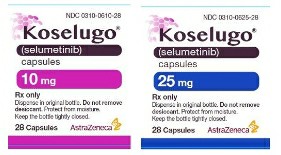
The molecular structure and pharmacological properties of the two are also different. Although they are both MEK inhibitors, selumetinib is more selective in its affinity for MEK1, a property that allows it to inhibit the proliferation of abnormal signals more gently and stably in the pathological environment of NF1. Trametinib has stronger bidirectional inhibition of MEK1 and MEK2, so it is more suitable for malignant tumors, a rapidly proliferating cell environment. According to overseas professional information, trametinib's inhibition efficiency, duration, and distribution are more suitable for combination with another type of BRAF inhibitor to reduce the development of drug resistance, while selumetinib prefers long-term, controllable, and better-tolerated inhibition.
There are also differences in the way they are administered. Selumetinib is an oral capsule and is mainly used by pediatric patients. Therefore, its dosage design pays more attention to tolerance and safety and is optimized for children. Trametinib is an adult cancer drug and requires a stricter dose ratio when used in combination with dabrafenib. Trametinib is often administered once daily and paired with dabrafenib twice daily to form a precise combination, allowing the drug's blood concentration to reach a range more suitable for tumor control.
The two have completely different considerations for long-term safety. Because selumetinib is used in children, the safety of long-term treatment needs to be emphasized. Therefore, overseas data pay more attention to indicators such as development, heart function, and eye health that require continuous monitoring; because trametinib is used in tumor patients, more emphasis is placed on the management of adverse reactions to cardiac function, skin, and gastrointestinal tract. Since combined treatment may have additive effects, a more rigorous monitoring plan is required.
The two also show fundamental differences in their treatment goals. The goal of selumetinib is to shrink plexiform neurofibromas, improve pain and compression symptoms, and improve the quality of life. It is a treatment method that changes the natural progression of benign tumors. The goal of trametinib is to inhibit tumor proliferation, delay tumor progression, and improve survival. It is a typical anti-cancer targeted therapy.
Reference materials:https://www.koselugo.com
[ 免责声明 ] 本页面内容来自公开渠道(如FDA官网、Drugs官网、原研药厂官网等),仅供持有医疗专业资质的人员用于医学药学研究参考,不构成任何治疗建议或药品推荐。所涉药品可能未在中国大陆获批上市,不适用于中国境内销售和使用。如需治疗,请咨询正规医疗机构。本站不提供药品销售或代购服务。


