
.jpeg)
Specifications and storage methods of Trientine
Trientine(Trientine) is a prescription drug used to treat Wilson's disease, and its specifications and storage requirements are highly consistent worldwide. Patients with Wilson's disease suffer from copper deposition due to impaired copper excretion in the body, so drugs need to have stable chelation and clear dosage standards. Trientine currently marketed overseas is usually in the form of capsules or tablets, with a common specification of 250mg or similar dosage, to facilitate flexible adjustment in long-term treatment. Because Wilson's disease is a metabolic disease that requires lifelong management, these strengths are designed to facilitate divided dosing, allowing patients to maintain stable copper removal levels as directed by their doctor, while avoiding the discomfort of too high a dose that may cause copper to move too quickly.
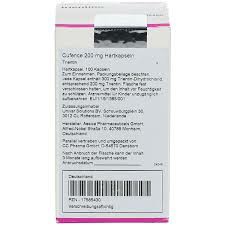
Regarding storage methods, overseas pharmacopoeias and explanatory materials emphasize that trientine is a temperature-sensitive drug, and drug stability is easier to maintain in low-temperature environments. Therefore it is recommended to store between 2°C to 8°C (36°F to 46°F) and avoid exposure to light, high heat or moisture. This will help protect the drug structure from damage and ensure that chelation is not affected. Medication containers need to be kept tightly closed to prevent air humidity or external contamination from affecting the capsule contents. Some countries will specifically remind patients to close the container tightly immediately after use to maintain a dry environment inside the bottle. In addition, if it is temporarily placed at room temperature after being taken out of refrigeration, it is necessary to avoid long-term exposure to high temperature environments to reduce the risk of moisture absorption of the drug.
Trientine stock management is equally important. Since the treatment of Wilson's disease requires continuous and uninterrupted treatment, many overseas guidelines will emphasize that patients should ensure that sufficient medicines are always available at home to avoid a sharp increase in copper levels caused by drug withdrawal. Long-term medication usually requires refilling the dosage in advance, and confirming whether the storage method meets the requirements when picking up the medication at the pharmacy. Some manufacturers will also provide light-proof packaging or dry bottle structures to make storage safer.
Reference materials:https://www.cufence.com/
[ 免责声明 ] 本页面内容来自公开渠道(如FDA官网、Drugs官网、原研药厂官网等),仅供持有医疗专业资质的人员用于医学药学研究参考,不构成任何治疗建议或药品推荐。所涉药品可能未在中国大陆获批上市,不适用于中国境内销售和使用。如需治疗,请咨询正规医疗机构。本站不提供药品销售或代购服务。


