
.jpeg)
Study comparing effectiveness of first-line TKIs lorlatinib in patients with ALK+ non-small cell lung cancer and brain metastases
In recent years,the treatment strategies for ALK-positive (ALK+) metastatic non-small cell lung cancer (NSCLC) have been continuously updated, and the selection of first-line targeted drugs has become the focus of global clinical attention. The latest research shows that third- and second-generation ALK tyrosine kinase inhibitors (ALK TKIs), including Brigatinib, Alectinib and Lorlatinib, have significantly better long-term treatment performance than the first-generation drug Crizotinib in real-world settings.
The study specifically points out that regardless of whether the patient has brain metastases, the above three new types of TKIs have achieved a more stable and sustained therapeutic effect in controlling the disease. Among them, brigatinib is as effective as alectinib and lorlatinib in multiple indicators, further consolidating its important position as a first-line treatment option.
Evaluating the actual effectiveness of different TKIs in patients with ALK+ metastatic NSCLC is particularly important because there is currently a lack of randomized trials that directly compare multiple TKIs "head-to-head". This study used the large-scale Komodo Healthcare Map database in the United States to conduct a systematic analysis of real-world ALK+ metastatic NSCLC patients treated with first-line ALK TKIs, and conducted stratified comparisons according to whether the patients were accompanied by brain metastases. The research team analyzed the treatment mode, medication continuity and long-term prognosis, focusing on evaluating key clinical indicators such as time to treatment interruption (TTD), time to next treatment (TTNT) and overall survival (OS). These indicators can more intuitively reflect the tolerability and sustained benefit of the drug in real clinical settings.
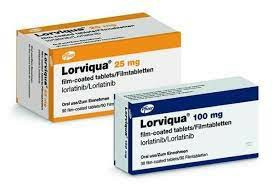
In order to further ensure the reliability of the comparison, the study used multivariable statistical models and propensity score weighted Cox regression methods to conduct balanced comparisons between different TKI treatment cohorts. The comparison includes multiple analysis dimensions such as alectinib, brigatinib, lorlatinib versus crizotinib, brigatinib versus alectinib, and brigatinib versus lorlatinib to restore the differences between drugs in the real world as much as possible.
A total of 1,623 first-line ALK+ metastatic NSCLC patients were included in the study, of which 384 received crizotinib, 1,100 received alectinib, 58 received brigatinib, and 81 received lorlatinib. 37% of patients had brain metastases at diagnosis or at the start of treatment. This population is particularly sensitive to drugs with stronger central penetration capabilities, so real-world evidence is needed to guide first-line drug selection.
The research team further compared the two-year Kaplan-Meier overall survival (OS) rates of different drugs in people with and without brain metastases. The results showed that the two-year OS of crizotinib in the brain metastasis subgroup was about 60%, while that of patients without brain metastases was about 68%, and its performance clearly lagged behind that of later generations of TKIs. Alectinib achieved approximately 84% and 83% in the two subgroups, brigatinib achieved 83% and 84%, and lorlatinib achieved 87% and 76%. Although there are differences in the performance of different drugs in specific populations, the general trend points to a significant advantage in overall survival for second- and third-generation TKIs.
When further comparing brigatinib, aletinib and lorlatinib with crizotinib, the study found that in the overall population and brain metastasis subgroups, TTD and TTNT showed significant improvements. In other words, offspring TKIs not only allow patients to have longer treatment duration, but also significantly delay the time to enter the next first-line treatment. This means that the rate of disease progression is effectively slowed down, resulting in a more controllable and stable disease management process. Although the differences between the three drugs and crizotinib in terms of overall survival are not statistically consistent, the numerical trends are highly consistent, clearly showing that TKIs have better long-term benefit potential for future generations.
References:https://www.cancernursingtoday.com/post/study-compares-effectiveness-of-first-line-tkis-in-patients-with-alk-nsclc-and-brain-metastases
[ 免责声明 ] 本页面内容来自公开渠道(如FDA官网、Drugs官网、原研药厂官网等),仅供持有医疗专业资质的人员用于医学药学研究参考,不构成任何治疗建议或药品推荐。所涉药品可能未在中国大陆获批上市,不适用于中国境内销售和使用。如需治疗,请咨询正规医疗机构。本站不提供药品销售或代购服务。


