
.jpeg)
What is the important information in the package insert for filgotinib?
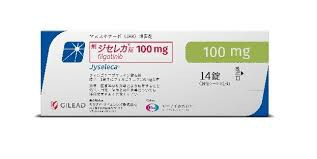
Filgotinib (Filgotinib), also known as Filgotinib, filgotinib, filotinib, Jyseleca, is a selective oral JAK1 inhibitor, mainly used for the treatment of moderately to severely active rheumatoid arthritis (RA) and ulcerative colitis (UC). Its precise effect on inflammatory signaling pathways enables it to show good efficacy in refractory patients, making it an important choice for immunomodulatory treatment in recent years.
1. In terms of indications
Figotinib is approved for two categories of adult patients. First, for patients with rheumatoid arthritis, it is suitable for moderately to severely active patients who have an inadequate response to or cannot tolerate one or more disease-modifying antirheumatic drugs (DMARDs). It can be used alone or in combination with methotrexate (MTX). Secondly, for patients with ulcerative colitis, filgotinib is suitable for patients with moderate to severe active disease who have insufficient response, failure or intolerance to conventional drugs or biological agents, and can be used to induce remission or maintain treatment.
2. In terms of drug administration
Figotinib is recommended to be taken orally once a day 200mg, which can be taken with food or on an empty stomach. The tablet must be swallowed whole. It is not recommended to split, crush or chew it. In patients 75 years of age and older, or in patients with moderate to severe renal impairment (creatinine clearance 15 to 60 mL/min), the starting dose may be reduced to 100 mg daily. In the event of severe infection, treatment should be temporarily interrupted and resumed after the infection is controlled. For long-term treatment, the lowest effective dose should be used as much as possible to balance efficacy and safety.
3. In terms of adverse reactions
The adverse reactions of filgotinib are mainly mild to moderate, and clinical studies show that the most common ones are nausea, dizziness, upper respiratory tract infection, urinary tract infection, and lymphopenia. During use, patients should regularly monitor blood routine, liver and kidney function and infection status, and identify potential risks in a timely manner.
4. In terms of storage
Medications should be stored in their original packaging, away from moisture, high temperatures or light, while keeping the bottle cap tightly closed to ensure drug stability.
5. In terms of contraindications
Contraindications include those who are allergic to the active ingredient Filgotinib or excipients, patients with active severe infection or tuberculosis, and pregnant women. In addition, animal experiments show that filgotinib may have adverse effects on the fetus, so lactating women and women of childbearing potential should take effective contraceptive measures during treatment and for at least one week after stopping the drug.
6. In terms of mechanism of action
Mechanistically, filgotinib regulates intracellular signaling by competitively inhibiting the activity of JAK family enzymes. JAKs participate in the signaling of inflammatory cytokines and growth factor receptors, regulating immune homeostasis, hematopoiesis, and gene expression. Figotinib preferentially inhibits JAK1, and its inhibitory activity on JAK2, JAK3 and TYK2 is about five times lower, thereby blocking inflammatory signals while reducing interference with bone marrow hematopoiesis and immune function. Its main metabolite GS-829845 also has a similar selective inhibitory effect in the body, and the drug effect is partly maintained by the metabolite.
7. Overdose
Clinical data show that no dose-limiting toxicity occurs with single or once-daily administration up to 450 mg. Related adverse reactions are similar to low-dose use. Pharmacokinetic studies show that approximately half of the drug is eliminated within 24 hours and 90% is metabolized within 72 hours. If overdose occurs, the patient's vital signs and symptoms should be closely monitored and necessary supportive treatment should be provided. It is currently unclear whether filgotinib can be removed by dialysis.
Reference materials:https://go.drugbank.com/drugs/DB14845
[ 免责声明 ] 本页面内容来自公开渠道(如FDA官网、Drugs官网、原研药厂官网等),仅供持有医疗专业资质的人员用于医学药学研究参考,不构成任何治疗建议或药品推荐。所涉药品可能未在中国大陆获批上市,不适用于中国境内销售和使用。如需治疗,请咨询正规医疗机构。本站不提供药品销售或代购服务。


