
.jpeg)
Analysis of the clinical efficacy of rubitin/rubicatin (Zanbiga) in the treatment of small cell lung cancer
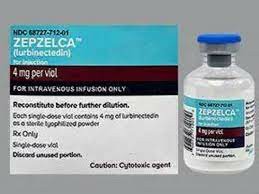
Lurbinectedin (also known as rubicatin) is a new DNA small molecule binding agent, which is an anti-tumor alkaloid drug. It induces cancer cell apoptosis by binding to DNA and inhibiting the transcription process. It can also inhibit the activity of pro-inflammatory immune cells in the tumor microenvironment, thereby exerting anti-cancer effects in a variety of tumor types. Small cell lung cancer (SCLC) has become a difficult problem in clinical treatment because of its rapid development, easy recurrence and high resistance to chemotherapy. Rubicatin has become a new treatment option of clinical concern since it was approved in the United States in 2019 for the treatment of patients with relapsed SCLC who have failed platinum-based chemotherapy. This article analyzes the application of rubicatin in SCLC from the aspects of clinical efficacy, tolerability, treatment course optimization and future development directions.
1. Overview of clinical efficacy
The efficacy of rubicatin in recurrent small cell lung cancer has been mainly verified through multiple clinical trials. The ATLANTIS study and other II phase studies have shown that for patients who have previously received platinum-based chemotherapy and have relapsed SCLCpatients, the overall response rate (ORR) of rubicatin monotherapy was approximately35%, and the median duration of response (DoR) is about5 months, and the median progression-free survival (PFS) is 3.5to 4 months, the median overall survival (OS) is approximately 9.3 months. This efficacy shows certain advantages when compared with traditional second-line chemotherapy drugs (such as topotecan, paclitaxel), especially in platinum-resistant or refractory patient groups, rubicatin can provide considerable objective response rate and survival benefit.
Not only that, Rubicatin also shows unique effects on the tumor microenvironment. By inhibiting the pro-inflammatory signals of tumor-associated macrophages (TAMs), it can indirectly inhibit tumor growth and metastasis, providing a new mechanistic basis for SCLC treatment. This means that rubicatin not only directly kills tumor cells, but may also improve therapeutic response by regulating the immune microenvironment, providing a potential strategy for future combination immunotherapy or targeted therapy programs.
2. Treatment course design and dose optimization
The usual recommended dose of rubicatin is intravenous infusion of 3.2 mg/m every three weeks for a duration of approximately 60 minutes, the treatment cycle is adjusted according to the patient’s tolerance and hematological indicators. Clinical data shows that the vast majority of patients can observe tumor shrinkage and symptom improvement after receiving 2 to 3 courses of treatment. When well tolerated, continued treatment can prolong the remission period, but requires close monitoring of hematology and liver and kidney function.
For patients with poor tolerance or hematological toxicity (such as neutropenia, thrombocytopenia), adverse reactions can be controlled by reducing the dose or extending the dosing interval. In addition, combination chemotherapy regimens (such as rubicatin + topotecan) have shown the potential to improve objective response rates in clinical studies, but they also increase the risk of myelosuppression, so patients' physical and hematological tolerance need to be strictly assessed.
3. Adverse reactions and safety assessment
The adverse reactions of rubicatin mainly include bone marrow suppression (neutropenia, anemia, thrombocytopenia), abnormal liver function, fatigue, nausea and decreased appetite. Myelosuppression is the most common dose-limiting toxicity, which usually occurs in the middle of the treatment cycle. Regular blood routine monitoring is required, and dose adjustment or supportive treatment is required according to the severity.
Compared with traditional second-line chemotherapy drugs, rubicatin has milder non-hematological adverse reactions and a lower incidence of serious gastrointestinal reactions or neurotoxicity. This gives it certain advantages in some SCLC patients with weak constitutions or many comorbidities. Clinical experience shows that through standardized supportive care (such as G-CSF for neutropenia, anti-emetic drugs), most patients can safely complete multiple courses of treatment and achieve sustained disease control.
4. Efficacy evaluation and future development direction
In clinical practice, the efficacy evaluation of rubicatin mainly relies on imaging examinations (such as CT or PET-CT), tumor markers and symptom improvement. The first round of evaluation is usually performed after every two courses of treatment, and objective response, disease stabilization or progression is judged according to RECIST 1.1 standards. For patients with partial response or stable disease, maintenance therapy can be continued to maximize progression-free survival.
In the future, the research focus of Rubicatin inSCLC includes:
Combination immunotherapy: By combining with PD-1/PD-L1 inhibitors, it is expected to improve the response rate and survival benefit.
Early use strategy: Explore its efficacy in first-line treatment or platinum combination regimens, hoping to improve the prognosis of initially treated patients.
Optimization of individualized treatment courses: Through genotyping, tumor microenvironment characteristics and hematological indicators, accurate dosage and treatment course adjustment can be achieved to reduce the risk of adverse reactions.
To sum up, rubitin/Rubicatin shows good clinical efficacy and controllable safety in the treatment of recurrent small cell lung cancer. It can not only directly inhibit tumor cell proliferation, but also regulate the tumor microenvironment, providing a new option for second-line treatment. Although adverse reactions such as bone marrow suppression still exist, most patients can tolerate and benefit from it through reasonable dose adjustment and supportive treatment. In the future, through combined treatment and personalized program optimization, rubicatin is expected to play a more important role in the comprehensive management of small cell lung cancer, providing new hope for improving patient survival rates and quality of life.
Reference materials:https://www.drugs.com/
[ 免责声明 ] 本页面内容来自公开渠道(如FDA官网、Drugs官网、原研药厂官网等),仅供持有医疗专业资质的人员用于医学药学研究参考,不构成任何治疗建议或药品推荐。所涉药品可能未在中国大陆获批上市,不适用于中国境内销售和使用。如需治疗,请咨询正规医疗机构。本站不提供药品销售或代购服务。


