
.jpeg)
Response and clinical plan when drug resistance appears with Lynparza
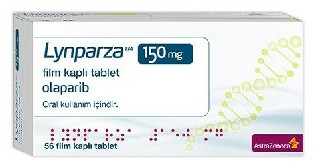
Olaparib is the first PARP (polyADPribose polymerase) inhibitor approved for clinical use. It is widely used in the treatment of BRCA mutated ovarian cancer, breast cancer, prostate cancer, pancreatic cancer and other solid tumors. The mechanism is by inhibiting the single-strand repair of DNA in tumor cells, leading to the accumulation of DNA double-strand breaks and ultimately inducing cell apoptosis. However, as the treatment cycle prolongs, some patients will develop drug resistance, leading to disease progression or recurrence. How to identify olaparib resistance mechanisms and formulate individualized response plans has become an issue that requires urgent attention in clinical practice.
1. Main mechanisms of olaparib resistance
1.BRCAGene function restoration mutation
After some patients receive olaparib for a period of time, tumor cells may recover through"BRCA gene secondary mutations"DNAhomologous recombination repair (HRR) function enables tumors to regain the ability to repair DNA double-strand breaks, thereby losing dependence on PARP inhibition. This resistance mechanism is the most common and clinically significant.
2.PARP1Protein mutation or expression downregulation
Olapar uses the main mechanism of binding and inhibiting PARP1 enzyme activity. When the PARP1 protein structure changes or its expression level decreases, the drug cannot effectively bind to the target, thereby weakening the inhibitory effect.
3.Enhanced drug efflux and decreased drug exposure
Some tumor cells can actively efflux olaparib by up-regulating ATP binding cassette transporters (such as ABCB1/MDR1), resulting in a decrease in intracellular drug concentration and thus drug resistance. This type of resistance is often associated with long-term use of high-dose or combination chemotherapy.
4.DNARepair pathway reprogramming and microenvironment adaptation
In addition toBRCA mutation repair, tumor cells may also upregulate non-homologous end joining (NHEJ), DNA damage response (DDR) and other alternative repair pathways to evade the effects of olaparib. In addition, changes in the tumor microenvironment, such as hypoxia, immune escape, etc., have also been confirmed to be closely related to the development of drug resistance.
2. Clinical response strategies and treatment adjustment directions
1.Combined treatment strategy: enhance the killing mechanism
(1)PARP inhibitors combined with anti-angiogenic drugs: The study found that olaparib combined with bevacizumab (Bevacizumab) can further inhibit tumor angiogenesis and aggravate tumor hypoxia, thereby enhancing DNA damage accumulation and delaying the progression of drug resistance. This regimen has been approved by the FDA for the maintenance treatment of ovarian cancer.
(2) combined with immune checkpoint inhibitors (PD-1/PD-L1): Olaparib can increase the release of neoantigens from tumor cells, making them more sensitive to immunotherapy. The current combination regimen of olaparib + durvalumab or pembrolizumab has shown potential synergy in a variety of tumors.
(3) combined with ATR or CHK1 inhibitor: when tumor cells After cells resume homologous recombination repair, blocking the ATR-CHK1 signaling pathway can weaken its repair ability again, thereby re-establishing sensitivity to PARP inhibition.
2. Optimization of dose and course of treatment: dynamic adjustment of treatment strategy
For some patients with mild drug resistance, the "intermittent dosing" strategy may be considered to reduce the pressure of drug selection and delay the expansion of resistance genes. In clinical practice, some doctors use the standard dose of olaparib (300mg/ times, twice a day) for 8 to 12 weeks of treatment, and then dynamically adjust the course of treatment based on changes in imaging and tumor markers.
3.Target pathway conversion: replace or combine with otherPARPinhibitors
After drug resistance, you can consider changing to a structurally different PARP inhibitor, such as niraparib (Niraparib), rucaparib (Rucaparib) or talazoparib (Talazoparib), in order to regain efficacy through differential target combination. In addition, some studies have shown that combining olaparib with CDK12, PI3K or mTOR inhibitors can partially reverse the resistance phenotype.
4.Molecular typing and liquid biopsy monitoring
Under the concept of precision medicine, regular detection of BRCA gene status and cfDNA (circulating tumor DNA) mutation dynamics can help early identification of drug resistance trends. For example, when liquid biopsy reveals BRCA function restoration mutations or ABCB1 gene upregulation, the clinic can adjust the plan in advance to avoid significant progression of the disease.
3. Clinical cases and research progress
Multiple international studies (such as the SOLO series of trials) have shown that olaparib has a better median progression-free survival (PFS) in the maintenance treatment of ovarian cancer. It can reach more than 22 months, but about 40% of patients develop drug resistance after 1 years of treatment. Follow-up studies found that combining anti-angiogenic drugs or immunotherapy can significantly extend the duration of efficacy. For example, in the SOLO-3 study, the median PFS in the olaparib combined with bevacizumab group was extended to approximately 28.1 months. In addition, Swiss and Japanese teams are exploring the regimen of olaparib + ATR inhibitor Elimusertib. Early data shows that it can restore an objective response rate of about 30% in drug-resistant people.
4. Future directions and clinical management suggestions
Olaparib resistance is a common challenge in targeted tumor therapy, but through precise detection, mechanism-oriented combination therapy and dynamic treatment management, patients still have the opportunity to extend the disease control time. Clinicians should:
Regularly monitor gene status and blood indicators to identify drug resistance signals early;
Develop individualized combination strategies based on the type of resistance, such as immune+PARP or anti-vascular+PARP;
Maintain flexible adjustment of drug intervals and doses to reduce cell adaptive pressure;
Strengthen patient education and compliance management to avoid voluntary discontinuation of medication or excessive dosage adjustment.
Overall, olaparib resistance does not represent the end of treatment, but a new turning point. By integrating molecular testing, clinical experience and new targeted drugs into a joint strategy, future treatments will become more individualized and precise. For advanced patients, scientific management of drug resistance and dynamic adjustment of regimens are expected to further prolong survival and improve quality of life.
Reference materials:https://www.drugs.com/
[ 免责声明 ] 本页面内容来自公开渠道(如FDA官网、Drugs官网、原研药厂官网等),仅供持有医疗专业资质的人员用于医学药学研究参考,不构成任何治疗建议或药品推荐。所涉药品可能未在中国大陆获批上市,不适用于中国境内销售和使用。如需治疗,请咨询正规医疗机构。本站不提供药品销售或代购服务。


