
.jpeg)
What information is included in the package insert for selumetinib/coceyu
1. Common name and product information
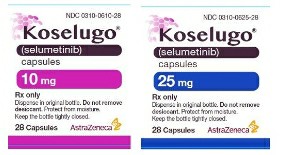
Selumetinib (Selumetinib), trade names include KOSELUGO (KOSELUGO), and others such as Selumetinib Hydrogen Sulfate Capsules. It is a targeted therapy drug that is widely used in the treatment of neurofibromatosis (NF1) in children. The drug is designed to interfere with the growth and expansion of neurofibromas by inhibiting the activation of MEK1/2.
2. Indications
Selumetinib is indicated for the treatment of symptomatic, unresectable plexiform neurofibromas (PN) in pediatric patients 1 years of age and older, specifically those with neurofibromatosis type 1 (NF1). This disease is often accompanied by the growth of neurofibromas and may affect the patient's quality of life and normal activities. Therefore, the use of selumetinib can effectively inhibit tumor growth and improve the condition.
3. Usage and dosage
The dose of selumetinib is adjusted based on the patient's body surface area (BSA). The standard recommended dose is 25 mg per square meter of body surface area, taken orally twice a day, usually once in the morning and once in the evening. The specific dosage time should avoid overlapping with meal times (eating 2 hours before or 1 hour after taking the drug). Dosage will vary based on body surface area:
Patients with a body surface area of0.55-0.69m² should take 20mg and 10mg in the morning and evening respectively;
Patients with body surface area0.7-0.89m², take 20mg twice daily;
Patients with a body surface area of 1.1-1.29m² take 25mg twice a day, and so on. The larger the body surface area, the higher the dose, until 50mg a day.
Dose adjustments will also be made based on patient tolerance. If adverse reactions occur during use, the doctor may adjust the dosage of the drug. If it is still not tolerated despite adjustments, treatment may need to be discontinued.
4. Adverse reactions
Patients may experience some adverse reactions while using selumetinib. The most common side effects include vomiting, rash, abdominal pain, diarrhea, nausea, dry skin, fatigue, musculoskeletal pain, fever, acneiform rash, stomatitis, headache, paronychia, and itching. Some patients may experience discomfort from these side effects, but most symptoms are temporary and can be relieved with appropriate therapeutic management.
5. Storage conditions
Selumetinib should be stored at room temperature20°C to 25°C (68°F to 77°F), with an allowed temperature deviation of 15°C to 30°C (59°F to 86°F). During storage, avoid high temperature and humid environments, keep the bottle cap tightly closed, and do not open the medicine bottle at will. The desiccant should be kept in the bottle to prevent the drug from getting damp and affecting its effectiveness.
6. Mechanism of action
Selumetinib is aMEK1/2 inhibitor. MEK1 and MEK2 are the upstream kinases of the extracellular signal-regulated kinase (ERK) pathway. In normal cells, the MEK/ERK pathway is activated through RAS/RAF to control cell proliferation and growth. However, in many tumor cells, the MEK/ERK pathway may be overactivated, promoting unrestricted proliferation of tumor cells. Selumetinib inhibits the growth and expansion of tumors by inhibiting the function of MEK1/2, thereby preventing the phosphorylation of ERK.
In the treatment of neurofibromatosis (NF1), selumetinib can reduce the number and volume of plexiform neurofibromas and reduce their proliferation rate through this mechanism, thereby effectively controlling the disease and improving the patient's quality of life. In preclinical models, selumetinib has shown significant efficacy, especially against neurofibromatosis caused by NF1 gene mutations.
Reference materials:https://www.koselugo.com
[ 免责声明 ] 本页面内容来自公开渠道(如FDA官网、Drugs官网、原研药厂官网等),仅供持有医疗专业资质的人员用于医学药学研究参考,不构成任何治疗建议或药品推荐。所涉药品可能未在中国大陆获批上市,不适用于中国境内销售和使用。如需治疗,请咨询正规医疗机构。本站不提供药品销售或代购服务。


