
.jpeg)
Is cabozantinib or regorafenib better for liver cancer?
Liver cancer, especially hepatocellular carcinoma (HCC), is a common malignant tumor and is usually diagnosed at an advanced stage. There are many methods to treat advanced liver cancer, and the emergence of targeted therapy drugs in recent years has provided new hope for treatment. Cabozantinib and Regorafenib are two commonly used targeted therapy drugs. They are both used to treat patients with liver cancer, especially those with advanced liver cancer that cannot be removed by surgery. Because they differ in their mechanisms of action, efficacy, and side effects, the selection of appropriate drugs often depends on the patient's specific condition and drug resistance.
Cabotinib is an oral multi-target tyrosine kinase inhibitor that can simultaneously inhibit multiple signaling pathways related to tumor growth, includingVEGFR (vascular endothelial growth factor receptor), MET, Axl, etc. Cabozantinib can effectively slow down tumor growth and metastasis by inhibiting these signaling pathways. It is particularly effective in patients with advanced liver cancer, especially when other treatment options are ineffective.
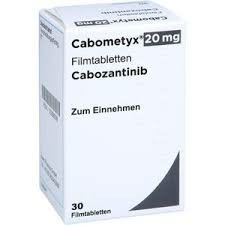
In the treatment of liver cancer, cabozantinib is considered an effective late-line treatment option. It can significantly control tumor growth by inhibiting tumor blood supply and malignant cell activities in the tumor microenvironment. Studies have shown that cabozantinib can prolong progression-free survival (PFS) and overall survival (OS) in patients with advanced liver cancer, especially in patients with inoperable liver cancer. Compared with traditional chemotherapy drugs, cabozantinib has less systemic toxicity due to its targeted effect, and side effects are usually more controllable. Common side effects include fatigue, diarrhea, high blood pressure, and oral ulcers.
Regofenib is also an oral multi-target tyrosine kinase inhibitor that can target multiple pathways related to tumor growth, includingVEGFR, FGFR (fibroblast growth factor receptor), KIT, etc. Regorafenib is mainly used in patients with advanced liver cancer, especially those who have progressed after treatment with sorafenib. The mechanism of action of regorafenib is similar to that of cabozantinib, which controls tumor growth by inhibiting tumor cell proliferation, angiogenesis, and metastasis.
Regorafenib has also shown significant efficacy in the treatment of liver cancer, especially in patients who have failed to respond to traditional treatments. It can significantly extend the survival time and improve symptoms of patients with advanced liver cancer. Regorafenib is different from cabozantinib in that it is mainly used in follow-up treatment after failure of sorafenib treatment and is suitable for patients who cannot undergo surgery and whose disease has progressed. Similar to cabozantinib, regorafenib can also effectively control tumor progression by blocking multiple signaling pathways related to tumor growth.
The side effects of regorafenib include hypertension, diarrhea, decreased appetite, abnormal liver function, etc. Some patients may experience certain side effects, especially in the first few weeks of treatment. Although the side effects of regorafenib are manageable in most cases, some patients may require dose adjustments or adjunctive treatments to reduce discomfort.
When choosing drugs to treat liver cancer, both cabozantinib and regorafenib have their own advantages and limitations. Cabozantinib's multi-target effect enables it to more effectively inhibit tumor growth and metastasis, and especially has a strong impact on the tumor microenvironment. Therefore, it has a good effect in controlling tumor expansion and improving survival. Studies have shown that the efficacy of cabozantinib in patients with advanced liver cancer has been significantly improved, especially for those who have previously received other treatments and whose disease cannot be controlled.
In contrast, regorafenib is more commonly used in patients who have failed sorafenib treatment, and it has also shown certain efficacy in some patients with highly drug-resistant liver cancer. The side effects of regorafenib are relatively concentrated, especially in the early stages of treatment, and patients may experience more obvious hypertension and gastrointestinal discomfort. Therefore, the management and control of side effects is an important issue in treatment.
Reference:https://en.wikipedia.org/wiki/Cabozantinib
[ 免责声明 ] 本页面内容来自公开渠道(如FDA官网、Drugs官网、原研药厂官网等),仅供持有医疗专业资质的人员用于医学药学研究参考,不构成任何治疗建议或药品推荐。所涉药品可能未在中国大陆获批上市,不适用于中国境内销售和使用。如需治疗,请咨询正规医疗机构。本站不提供药品销售或代购服务。


