
.jpeg)
Safety precautions for the use of Maribavi/Yitai
Maribavir (Maribavir), as a new antiviral drug, is mainly used to treat human cytomegalovirus (CMV) infection. During the use of maribavir, patients and medical staff need to pay special attention to its medication safety and precautions to ensure efficacy and reduce the occurrence of adverse reactions.
First, the antiviral activity of maribabavir may be reduced when combined with other antiviral drugs such as ganciclovir and valganciclovir. This is because maribavivir may antagonize the antiviral effects of these two drugs by inhibiting the pUL97 kinase of human CMV. pUL97 kinase is required for the activation/phosphorylation of ganciclovir and valganciclovir, so concomitant use of maribavir with these two drugs is not recommended to avoid reduced therapeutic efficacy.
Secondly, patients may experience virological failure or post-treatment relapse during treatment with maribabavir. Studies have shown that drug resistance may lead to virological failure in patients while taking maribavivir and after ending treatment. Especially within 4-8 weeks after treatment interruption, the risk of virological recurrence is higher. Some pUL97 resistance mutations associated with maribasvir may confer cross-resistance to ganciclovir and valganciclovir. Therefore, for patients who do not respond or relapse on treatment, it is very important to regularly monitor CMV DNA levels and check for the presence of resistance to maribavivir.
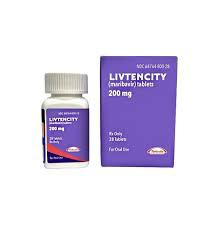
In addition, drug interactions are also an aspect that requires special attention when using maribavivir. Concomitant use with certain medications may result in potentially significant drug interactions that may reduce the therapeutic efficacy of maribavivir or cause adverse effects of the concomitant medications. Patients must carefully review concomitant medications before and during treatment with maribavir and monitor for possible adverse reactions.
Maribavir is primarily metabolized by the CYP3A4 enzyme in the liver. Coadministration with strong inducers of CYP3A4 (such as certain antiepileptic drugs) may result in a decrease in the plasma concentration of maribavivir, thereby reducing its antiviral effect. Therefore, concomitant use of maribavivir with strong inducers other than specific antiepileptic drugs is not recommended. When using medications, doctors should evaluate the potential risk of drug interactions and adjust treatment if necessary.
In addition, caution is required when using maribavivir in combination with immunosuppressive drugs. The activity of maribavir may increase plasma concentrations of immunosuppressive drugs (such as tacrolimus, cyclosporine, sirolimus, and everolimus), and any small concentration changes may cause serious adverse events. Therefore, the concentration of immunosuppressive drugs should be regularly monitored throughout the course of treatment, especially when starting or stopping treatment with maribavir. Doctors need to adjust the dose of immunosuppressive drugs based on monitoring results to ensure patient safety.
In summary, the use of maribavir should be under the guidance of a physician, and patients should be monitored regularly to ensure the effectiveness and safety of the treatment, especially in the case of combined medications. By understanding and mastering relevant medication safety precautions, we can effectively reduce the occurrence of adverse reactions, improve treatment effects, and better manage CMV infection.
Reference materials:https://www.livtencity.com/
[ 免责声明 ] 本页面内容来自公开渠道(如FDA官网、Drugs官网、原研药厂官网等),仅供持有医疗专业资质的人员用于医学药学研究参考,不构成任何治疗建议或药品推荐。所涉药品可能未在中国大陆获批上市,不适用于中国境内销售和使用。如需治疗,请咨询正规医疗机构。本站不提供药品销售或代购服务。


