
.jpeg)
What cancers is doxorubicin used to treat? Application analysis for different cancer types
Doxorubicin (Doxorubicin) is a broad-spectrum anthracycline anti-tumor drug that is inserted into DNA Double-stranded, inhibits the activity of topoisomerase II and generates free radicals, thereby blocking the replication and transcription of cancer cells' DNA and causing cell apoptosis. As a classic chemotherapy drug, doxorubicin is widely used in the treatment of a variety of malignant tumors, especially in solid tumors and hematological tumors. Due to its potential adverse reactions such as cardiotoxicity and bone marrow suppression, clinical medication needs to strictly control the dose and cycle.
In the treatment of breast cancer, doxorubicin is often used in adjuvant chemotherapy and neoadjuvant chemotherapy regimens for early and advanced breast cancer. Common regimens include AC (doxorubicin+cyclophosphamide) and CAF (cyclophosphamide+doxorubicin+fluorouracil). For patients with HER2 positive or triple-negative breast cancer, doxorubicin can be used in combination with other targeted drugs or chemotherapy drugs to improve the lesion shrinkage rate and preoperative remission rate. In neoadjuvant treatment, doxorubicin can significantly improve the complete remission rate of breast cancer patients and provide good conditions for surgery.
Doxorubicin is widely used in hematological tumors, especially playing an important role in the treatment of non-Hodgkin lymphoma (NHL), Hodgkin lymphoma and acute leukemia. Commonly used regimens include CHOP (cyclophosphamide+doxorubicin+vincristine+prednisone) regimen to treat NHL , and ABVD (doxorubicin+bleomycin+vinblastine+dacarbazine) regimen for the treatment of Hodgkin lymphoma. In hematological tumors, the cytotoxic effect of doxorubicin can quickly kill highly proliferating malignant cells, thereby significantly reducing the recurrence rate.
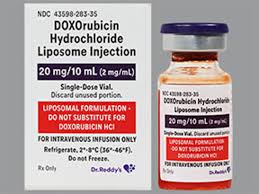
Doxorubicin is also used in the treatment of various solid tumors such as lung cancer, ovarian cancer, gastric cancer, and soft tissue sarcoma. In small cell lung cancer or non-small cell lung cancer, doxorubicin is often used in first-line chemotherapy in combination with cisplatin or carboplatin. In ovarian cancer, doxorubicin has shown certain efficacy in patients with recurrent or platinum-resistant cancer and can be used as a second- or third-line option. In soft tissue sarcomas, doxorubicin is one of the standard chemotherapy drugs and is of great significance in prolonging progression-free survival and improving symptoms.
For different cancer types, doxorubicin is often used in combination with other chemotherapy drugs, targeted drugs or immunotherapy drugs to improve efficacy and reduce the risk of drug resistance. For example, in breast cancer, it can be combined with paclitaxel or trastuzumab; in lymphoma, it can be combined with cyclophosphamide, vincristine, etc. Combination medication can enhance the cell killing effect, but at the same time, attention should be paid to bone marrow suppression, cardiotoxicity and gastrointestinal adverse reactions, and risk control needs to be carried out through hematological monitoring and cardiac function assessment.
The course of treatment with doxorubicin is usually based on the cancer type, stage and patient’s constitution. The conventional dose is 60–75mg/m² per square body surface area, once every 3 weeks. The dose of the combination regimen is adjusted according to the protocol. During treatment, blood routine, liver and kidney function, and cardiac function (such as electrocardiogram or echocardiogram) need to be monitored regularly to detect drug toxicity and adjust the dose in a timely manner. The risk of cardiotoxicity requires special attention in patients treated for long periods of time or with higher cumulative doses.
Overall, doxorubicin has shown significant efficacy in a variety of cancers, especially in rapidly proliferating tumor types, where it can effectively shrink tumors and prolong progression-free survival. Feedback from patients shows that combination chemotherapy regimens are usually more effective than single-agent treatments, but at the same time, adverse reactions are more obvious, such as bone marrow suppression, hair loss, nausea, and decreased heart function. Clinically, through reasonable dosage, combination medication strategies and regular monitoring, the risk of adverse events can be minimized while ensuring efficacy.
Doxorubicin is a classic broad-spectrum anti-tumor drug with indications covering breast cancer, hematological malignancies and various solid tumors. Through scientific dose design, combination chemotherapy and treatment course monitoring, the efficacy can be maximized and adverse reactions can be reduced, providing effective treatment options for cancer patients. Developing personalized treatment plans based on individual patient differences is the key to ensuring efficacy and safety.
Reference materials:https://www.drugs.com/
[ 免责声明 ] 本页面内容来自公开渠道(如FDA官网、Drugs官网、原研药厂官网等),仅供持有医疗专业资质的人员用于医学药学研究参考,不构成任何治疗建议或药品推荐。所涉药品可能未在中国大陆获批上市,不适用于中国境内销售和使用。如需治疗,请咨询正规医疗机构。本站不提供药品销售或代购服务。


