
.jpeg)
Things to note when taking Febuxostat (Febuxostat) and description of contraindications and risks
Febuxostat (Febuxostat) is a selective xanthine oxidase inhibitor mainly used to treat patients with hyperuricemia and gout. It reduces serum uric acid levels by inhibiting the activity of xanthine oxidase and reducing uric acid production. Compared with traditional allopurinol (Allopurinol), febuxostat is safer to use in patients with impaired renal function and has a significant effect on controlling uric acid levels. However, there are still many things to pay attention to when using febuxostat to reduce adverse reactions and potential risks.
Before taking febuxostat, patients should inform their doctors in detail about their past medical history and medication usage, especially patients with cardiovascular disease, abnormal liver function or renal insufficiency. Blood and urine indicators need to be evaluated before medication, including serum uric acid, liver function, and kidney function. This drug is strictly contraindicated in patients with known hypersensitivity to febuxostat or its components. Pregnant women, lactating women, and patients under 18 years of age should use it with caution or avoid use, and should follow the guidance of a professional physician.
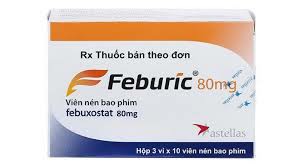
During the period of taking febuxostat, serum uric acid levels and liver and kidney functions should be monitored regularly, and cardiovascular health indicators should be paid attention to. There may be a risk of acute gout attack during initial use of medication, so low-dose colchicine or non-steroidal anti-inflammatory drugs are often needed for prevention. During medication, you should maintain adequate fluid intake to promote uric acid excretion, and control a high-purine diet, such as limiting red meat, seafood, and high-fructose foods, to improve efficacy and reduce gout attacks. At the same time, patients need to avoid adjusting the dosage or stopping the medication without authorization to avoid rebound of blood uric acid or serious complications.
Febuxostat may interact with other drugs. For example, when used concurrently with anticoagulants (such as warfarin), azacitidine, or other purine metabolism drugs, the dose needs to be adjusted under the guidance of a physician. Febuxostat should be used with caution in patients with a history of cardiovascular disease, as clinical studies have shown that it may increase the risk of cardiovascular events. In addition, it is contraindicated in patients with severe liver dysfunction, and patients with mild to moderate liver dysfunction must use it under the guidance of a professional doctor. Any patient who develops severe allergic reactions or adverse reactions such as rash, edema, and jaundice should stop taking the drug immediately and seek medical advice.
In short, febuxostat is an effective drug that inhibits uric acid production, but it is necessary to pay attention to cardiovascular, liver and kidney function, drug interactions and other factors during use. Patients should undergo a comprehensive assessment before taking medication, and biochemical indicators should be monitored regularly during medication, combined with adjustments to diet and lifestyle and necessary preventive measures to reduce the risk of adverse reactions. Strictly following the doctor's instructions and using febuxostat rationally can effectively control hyperuricemia and gout while ensuring patient safety and therapeutic effects.
Reference materials:https://www.drugs.com/
[ 免责声明 ] 本页面内容来自公开渠道(如FDA官网、Drugs官网、原研药厂官网等),仅供持有医疗专业资质的人员用于医学药学研究参考,不构成任何治疗建议或药品推荐。所涉药品可能未在中国大陆获批上市,不适用于中国境内销售和使用。如需治疗,请咨询正规医疗机构。本站不提供药品销售或代购服务。


