
.jpeg)
Analysis of the medication regimen of rubitin/rubicatin (Zanbiga) combined with irinotecan
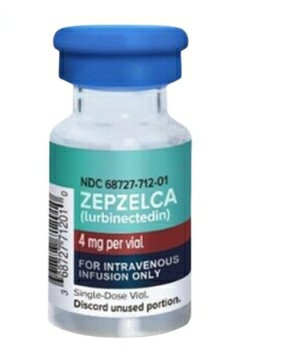
Lurbinectedin is a new type of anti-tumor drug, which is a DNA binding small molecule inhibitor. It mainly inhibits the transcription mechanism of tumor cells and induces DNA damage, triggering cancer cell apoptosis. The drug has shown high efficacy in small cell lung cancer (SCLC) and some solid tumors. Irinotecan (Irinotecan) is a topoisomerase I inhibitor that prevents tumor cell proliferation by inhibiting DNA replication and repair. The strategy of combining rubitidine and irinotecan has shown a synergistic anti-tumor effect in clinical trials, which can enhance the tumor cell killing effect while overcoming single-drug resistance.
Rubitidine interferes with the transcription of cancer cells, leading to the accumulation of DNA damage, while irinotecan blocks the unwinding of DNA mediated by topoisomerase I, making cells unable to repair DNA breaks. This dual intervention mechanism in DNA homeostasis makes it easier for cancer cells to enter the apoptosis pathway. Combination regimens can theoretically enhance cell cycle arrest and DNA damage accumulation, thereby improving overall response rate (ORR) and progression-free survival (PFS). In addition, this program can reduce the dosage of single drugs to a certain extent, thereby reducing the occurrence of some toxic side effects.
In clinical practice, rubitidine and irinotecan usually adopt a cyclic treatment regimen with an interval of 21 days. The common dose of rubitidine is 3.2 mg/m² intravenous infusion, once every 21 days. The dose of irinotecan is adjusted according to the body surface area and patient tolerance, usually at 125 mg/m² intravenous infusion, once every 21 days. When used in combination, the dose needs to be adjusted based on the patient's hematological indicators, liver and kidney function, and previous chemotherapy history. For elderly patients or patients with underlying hematological abnormalities, the dose can be appropriately reduced or the medication interval extended to ensure safety.
Possible adverse reactions caused by combined medication include bone marrow suppression (neutropenia, anemia, thrombocytopenia), gastrointestinal reactions (nausea, vomiting, diarrhea), abnormal liver function, and fatigue. It is clinically recommended to monitor blood routine, liver and kidney function, electrolyte levels and body weight before and during treatment. Growth factors, antiemetics and supportive care can be used when necessary to reduce the interference of toxic side effects on the course of treatment. Through scientific monitoring and individualized dose adjustment, the combination regimen can improve anti-tumor efficacy while taking into account safety.
Combined therapy is generally recommended to be used continuously for at least 2–4 cycles before efficacy evaluation, including imaging examinations, tumor markers and symptom improvement. Based on efficacy and tolerability, a decision can be made as to whether to continue treatment or adjust the regimen. For patients with partial drug resistance or relapse, this combination regimen shows better tumor control rate and depth of response, while improving the patient's quality of life. Clinicians should dynamically adjust the treatment course according to the individual patient's condition to achieve a balance between maximizing efficacy and minimizing side effects.
In general, the regimen of rubitidine combined with irinotecan is suitable for patients with relapsed or refractory small cell lung cancer and some solid tumors, especially those who are resistant to monotherapy. In practical applications, attention should be paid to individualized dose design, treatment course management and safety monitoring, and through multidisciplinary team (MDT) collaboration to achieve precise, controllable and efficient anti-tumor treatment. This combination program provides a new treatment option for clinical practice and shows potential advantages in improving response rate and prolonging survival.
Reference materials:https://www.drugs.com/
[ 免责声明 ] 本页面内容来自公开渠道(如FDA官网、Drugs官网、原研药厂官网等),仅供持有医疗专业资质的人员用于医学药学研究参考,不构成任何治疗建议或药品推荐。所涉药品可能未在中国大陆获批上市,不适用于中国境内销售和使用。如需治疗,请咨询正规医疗机构。本站不提供药品销售或代购服务。


