
.jpeg)
Analysis of the indications and clinical application of Asnib/Asiminib
Asciminib (Asciminib) is a new BCR-ABL1 inhibitor, mainly used for targeted therapy of chronic myelogenous leukemia (CML). Unlike traditional tyrosine kinase inhibitors (TKI), Asciminib works by binding to BCR-ABL1 protein** pan>Serine/Threonine binding pocket (STAMP pocket) ** binds, thereby inhibiting tyrosine kinase activity and blocking the abnormal proliferation of leukemia cells. Its mechanism of action is unique and can be effective in some patients who are resistant or intolerant to first-line TKIs, providing new clinical treatment options.
Asciminibis mainly suitable for patients in the chronic phaseCML, especially those who have failed or developed resistance to imatinib, dasatinib, nilotinib and other TKI treatments. In addition, some clinical trials are also exploring its application value in patients with acute or accelerated CML. The drug can be used alone or in combination with other TKIs in the treatment of specific drug-resistant mutations. In particular, patients with T315I mutations have shown certain efficacy, filling the gap in traditional TKI treatments.
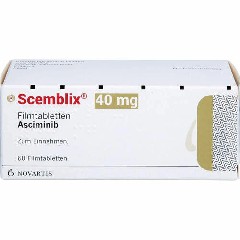
Clinical studies have shown that Asciminibhas significantly improved the rates of complete cytological response (CCyR) and molecular response (MMR) in patients with drug resistance or intolerance. Compared with traditional TKIs, the incidence of side effects is relatively low, mainly mild to moderate hematological toxicity and gastrointestinal reactions, such as mild neutropenia, thrombocytopenia, nausea and diarrhea. Due to different mechanisms of action, Asciminib still has good efficacy in patients with previous TKI resistance, while reducing the risk of drug resistance in combination therapy.
In clinical application, Asciminib should be based on the patient’s past TKISelect dosage and regimen based on treatment history, drug resistance type and mutation status. During the medication period, patients need to regularly monitor blood routine, liver and kidney function and BCR-ABL1 molecular load to evaluate efficacy and safety. For patients with T315I mutations or multi-line drug resistance, Asciminib provides an effective and safe treatment option, providing a new clinical strategy for the long-term management of chronic myelogenous leukemia.
Reference materials:https://www.drugs.com/
[ 免责声明 ] 本页面内容来自公开渠道(如FDA官网、Drugs官网、原研药厂官网等),仅供持有医疗专业资质的人员用于医学药学研究参考,不构成任何治疗建议或药品推荐。所涉药品可能未在中国大陆获批上市,不适用于中国境内销售和使用。如需治疗,请咨询正规医疗机构。本站不提供药品销售或代购服务。


