
.jpeg)
Differences between Futibatinib and Pemetinib
Futibatinib(Futibatinib) and pemetinib are both targeted therapeutic drugs targeting the fibroblast growth factor receptor (FGFR) pathway. Both of them are effective incholangiocarcinoma (especially those carrying FGFR2 Fusion or rearrangement of tumors), but they have substantial differences in chemical mode of action, target spectrum, drug resistance coverage and safety management, which affects clinical selection and medication sequence.
First of all, the mechanism of action and target range are the most fundamental differences between the two drugs. Forbatinib is an irreversibly (covalent) pan-FGFR inhibitor that covalently binds to FGFR1–4, thereby providing sustained tyrosine kinase inhibition; this irreversible binding gives it the advantage of maintaining activity in the presence of certain FGFR mutations or secondary resistance. In contrast, pemetinib is a reversible kinase inhibitor, and its selectivity is more biased towards FGFR1–3 (especially FGFR2 fusion is the main clinical indication). Its inhibition is mainly based on competition for ATP binding sites in a reversible manner. This difference directly affects the ability to respond to secondary resistance mutations (especially point mutations located in the kinase domain).
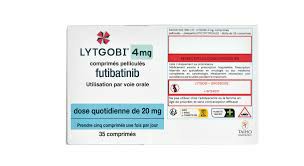
In terms of clinical indications and regulatory status, pemetinib was the first to receive accelerated approval from regulatory agencies for FGFR2 fusion/rearranged cholangiocarcinoma, and is used as one of the standard targeting options for locally advanced or metastatic cholangiocarcinoma after previous treatment; forbatinib subsequently received similar indications and became another approved option for FGFR2 fusion-related cholangiocarcinoma. The approval of both emphasizes the selection of patients based on molecular testing (that is, FGFR2 fusion/rearrangement must be detected), so clinical testing and typing are the prerequisites for entering this type of drug treatment.
Resistance and sequential drug administration strategies are key considerations in clinical use. Clinical and genomic studies have pointed out that after patients receive reversible FGFR inhibitor treatment, tumors may acquire secondary mutations at multiple kinase sites, resulting in drug failure; due to the irreversible binding properties of forbatinib, it may still retain activity in the context of some mutations that are resistant to reversible inhibitors, and is thus regarded as a powerful tool for "second-line resistance" or subsequent treatment. Conversely, if a patient progresses on forbatinib first, there will be fewer subsequent options available, so the selection of the initial sequence needs to be a careful decision based on the individual genetic profile and available drugs. Multiple cross-comparisons and retrospective analyzes also suggest that forbatinib shows different clinical benefit trends compared with chemotherapy or reversible inhibitors in some settings, but direct head-to-head large-scale randomized comparisons are lacking.
In terms of safety spectrum, both drugs can cause mineral metabolism abnormalities with hyperphosphatemia as the core. This is a common "characteristic" side effect of FGFR inhibitors, which requires management and monitoring of blood phosphorus through diet and drugs (such as oral phosphate binders). In addition, the pemetinib label specifically emphasizes ophthalmic toxicity (retina-related monitoring is required) and other risks related to renal metabolism; common adverse reactions related to forbatinib include skin-hand-foot syndrome, liver function abnormalities, fatigue, etc., and need to be managed through dose adjustment and supportive treatment in clinical practice. In short, the safety management paths overlap between the two but also have different focuses. When selecting drugs, a monitoring plan needs to be planned in advance.
From the perspective of administration and dose management, both drugs are oral small molecules that are administered daily according to different dosage schedules and have clear dosage reduction and suspension recommendations to deal with adverse reactions; at the same time, the two drugs have similar precautions in terms of interactions with drugs related to CYP metabolism and the need to adjust the dose when liver function is abnormal. However, the specific reduction thresholds and clinical pathways need to refer to their respective prescription instructions and clinical guidelines.
Reference materials:https://www.lytgobi.com/
[ 免责声明 ] 本页面内容来自公开渠道(如FDA官网、Drugs官网、原研药厂官网等),仅供持有医疗专业资质的人员用于医学药学研究参考,不构成任何治疗建议或药品推荐。所涉药品可能未在中国大陆获批上市,不适用于中国境内销售和使用。如需治疗,请咨询正规医疗机构。本站不提供药品销售或代购服务。


