
.jpeg)
What side effects may occur while taking Upatinib/Refu?
Upadacitinib (Upadacitinib) although is used in the treatment of rheumatoid arthritis (RA), active psoriatic arthritis (PA), The effect is remarkable on atopic dermatitis (AD), ulcerative colitis (UC), ankylosing spondylitis, Crohn's disease (CD), etc., but some side effects may still occur during use, which require joint management by patients and doctors. The most common side effects include upper respiratory tract infection, pharyngitis, nasopharyngitis, and mild rash. These are usually controllable or mild symptoms, and patients can continue taking the medication under the guidance of their doctor. Some patients may experience changes in hematological indicators during treatment, such as a decrease in white blood cell, platelet or lymphocyte counts, so regular blood routine monitoring is very important.
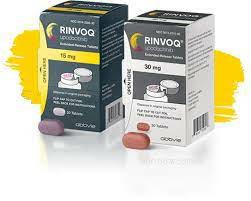
Abnormal liver function is also an aspect that requires attention. Upadatinib can cause an increase in liver enzymes, so liver function needs to be checked regularly during treatment, especially in patients with liver disease or who are using other hepatic metabolism drugs. Some patients may experience elevated blood lipids, and it is recommended that blood lipids be tested regularly and combined with dietary adjustments. Because the drug suppresses immune system activity, the risk of infection is relatively increased, especially viral or bacterial infections. Patients with a history of chronic infections, such as tuberculosis or hepatitis B, should be screened and preventive measures should be taken before medication.
In addition, individual patients may experience gastrointestinal discomfort, headache, fatigue, or mild edema. Rare but important risks include thrombotic events, serious infection, or immune-related reactions. The doctor will decide whether to continue taking the medication or adjust the dose based on the patient's condition, age and past medical history, combined with monitoring indicators.
Overall, the side effects of upadatinib can be effectively controlled through standardized follow-up and individualized management, and most patients can still maintain efficacy and good quality of life during long-term treatment.
Reference materials:https://www.rinvoq.com/
[ 免责声明 ] 本页面内容来自公开渠道(如FDA官网、Drugs官网、原研药厂官网等),仅供持有医疗专业资质的人员用于医学药学研究参考,不构成任何治疗建议或药品推荐。所涉药品可能未在中国大陆获批上市,不适用于中国境内销售和使用。如需治疗,请咨询正规医疗机构。本站不提供药品销售或代购服务。


