
.jpeg)
Interpretation of key contents of Anagrelide drug instructions and correct medication guidance
Anagrelide is an oral drug mainly used to treat essential thrombocythemia (ET). Its mechanism of action is mainly by inhibiting megakaryocyte maturation, thereby reducing platelet production. Clinically, anagrelide is widely used in patients with significantly elevated platelet levels, especially high-risk patients with thrombotic risk. In order to ensure that patients use medications safely and effectively, they must understand the key contents of their drug instructions and the guidance on correct medication use.
First of all, the indications and mechanism of action of anagrelide must be clarified before use. Anagrelide is indicated for the treatment of essential thrombocythemia, especially in patients who are intolerant or ineffective of traditional drugs (such as hydroxyurea). It inhibits the activity of cardiac phosphodiesterase and prevents the differentiation and maturation of megakaryocytes, thereby reducing the number of peripheral platelets. Clinical trials have shown that anagrelide can effectively maintain platelets at safe levels, reduce the risk of thrombosis, and is well tolerated in most patients.
Secondly, the usage, dosage and dosage adjustment of anagrelide are the core contents of the instructions. It is usually recommended that the starting dose is 0.5 mg to 1 mg, taken in divided doses daily, and gradually adjusted according to platelet levels and patient tolerance. The maximum dose generally does not exceed 10 mg/ days. Dosage adjustment needs to be done with caution. Platelet count and cardiac function indicators are usually monitored every 1-2 weeks, and based on the results, a decision is made as to whether to increase or decrease the dose. Patients should follow the doctor's instructions and should not increase or decrease the dosage on their own to avoid causing a sudden drop in platelets or worsening of drug side effects.
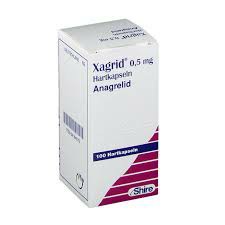
The safety and adverse reactions of anagrelide are also the focus of patients' attention. Common side effects include headache, palpitations, facial flushing, and gastrointestinal discomfort. A few patients may experience cardiovascular reactions such as arrhythmia, angina, or edema. Therefore, patients should regularly monitor their electrocardiogram and blood pressure while taking the drug, and patients with a history of heart disease should use it with caution under the guidance of a doctor. If serious adverse reactions occur, the medication should be stopped immediately and seek medical attention. The instructions also emphasize that pregnant and lactating women should avoid using this drug, and children and adolescents should use it with caution.
In addition, the drug interactions and medication precautions of anagrelide cannot be ignored. When used together with strong liver enzyme-inducing drugs (such as carbamazepine, phenytoin), the blood concentration may be reduced, thus affecting the efficacy; when used in combination with antiarrhythmic drugs and β-blockers, changes in heart rate and blood pressure need to be monitored. Patients should maintain regular follow-up visits while taking the medication and promptly report any abnormal symptoms or medication usage to the doctor. For patients taking the drug for a long time, the instructions recommend regular monitoring of platelet levels, heart function, liver and kidney function to ensure long-term safety.
In general, anagrelide, as an important drug for the treatment of essential thrombocythemia, has clear clinical efficacy but also has certain adverse reactions and risks. Correctly interpreting drug instructions and mastering usage and dosage, monitoring indicators and precautions are the prerequisites for patients to use drugs safely. Following the doctor's guidance, rationally adjusting the dose, and regularly reviewing platelet and heart function can not only improve the efficacy of the drug, but also effectively reduce the risk of adverse reactions and provide patients with a scientific, safe, and sustainable treatment plan.
Reference materials:https://www.drugs.com/
[ 免责声明 ] 本页面内容来自公开渠道(如FDA官网、Drugs官网、原研药厂官网等),仅供持有医疗专业资质的人员用于医学药学研究参考,不构成任何治疗建议或药品推荐。所涉药品可能未在中国大陆获批上市,不适用于中国境内销售和使用。如需治疗,请咨询正规医疗机构。本站不提供药品销售或代购服务。


