
.jpeg)
What are the side effects and harms of pomalidomide?
Pomalidomide (Pomalidomide), as an immunomodulatory drug, has high efficacy in the treatment of multiple myeloma (MM), but it is also accompanied by certain adverse reactions and potential hazards. The most common side effects are bone marrow suppression, including neutropenia, thrombocytopenia, and anemia, which may lead to infection, bleeding, or fatigue. Clinically, it is usually necessary to regularly monitor blood routine and provide supportive treatment with growth factors or blood transfusions when necessary.
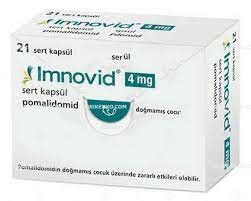
In addition, pomalidomide may increase the risk of blood clots, including venous thromboembolism and pulmonary embolism. Therefore, patients usually need to assess the risk of blood clots and perform preventive anticoagulant treatment based on their doctor's recommendations while taking it. Gastrointestinal reactions are also common, such as nausea, vomiting, diarrhea or constipation, which can be relieved through dietary adjustments or symptomatic drugs. Some patients may also experience fatigue, weakness, rash or peripheral neuropathy. Most of these reactions are dose-related and can be improved by adjusting the dose.
Since pomalidomide is a thiazole riboside analogue, use by pregnant women may cause severe fetal malformations, so female patients of childbearing age must use strict contraception. Long-term use may also affect liver and kidney function, so liver function, kidney function and electrolyte levels should be monitored regularly during treatment. Overseas clinical studies show that although there are many side effects, through standardized monitoring and supportive treatment, most side effects can be discovered in time and effectively managed to ensure the safety of treatment.
Generally speaking, the side effects of pomalidomide involve many aspects such as the blood system, digestive system, thrombosis risk, and nervous system. Patients need to use it under the guidance of a professional doctor. Standardized medication use, regular examinations and early intervention are key measures to reduce harm and ensure efficacy, while improving patients' quality of life and treatment compliance.
Reference materials:https://en.wikipedia.org/wiki/Pomalidomide
[ 免责声明 ] 本页面内容来自公开渠道(如FDA官网、Drugs官网、原研药厂官网等),仅供持有医疗专业资质的人员用于医学药学研究参考,不构成任何治疗建议或药品推荐。所涉药品可能未在中国大陆获批上市,不适用于中国境内销售和使用。如需治疗,请咨询正规医疗机构。本站不提供药品销售或代购服务。


