
.jpeg)
Applicable population and scope of use of mirikizumab
Milikizumab (Mirikizumab) is a new type of targeted biological agent, a humanized monoclonal antibody, which mainly exerts anti-inflammatory effects by inhibiting the interleukin-23 (IL-23) signaling pathway. IL-23 plays a central role in the pathogenesis of various autoimmune diseases, especially in inflammatory bowel diseases (IBD) such as ulcerative colitis (UC) and Crohn's disease (CD), by driving the activation of T helper cells (Th17 cells), triggering chronic inflammation and intestinal mucosal damage. Milizumab can selectively block the binding of IL-23 to its receptor, thereby inhibiting the inflammatory response, improving patients' clinical symptoms, and promoting mucosal healing.
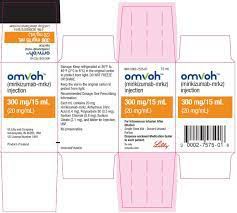
At present, militizumab is mainly suitable for adults and adolescents (usually ≥18 years old or in line with the age range of clinical trials) patients with active ulcerative colitis, especially those who have an inadequate response to or are intolerant to traditional drugs such as 5-aminosalicylic acid preparations, immunosuppressants or other biological agents. In Crohn's disease, militizumab has also shown potential to improve intestinal inflammation and reduce symptoms of abdominal pain and diarrhea, making it an important treatment option for patients who do not respond well to conventional treatments.
The drug is usually administered intravenously or subcutaneously. An initial induction period may be administered every few weeks, followed by a maintenance period at regular intervals. By continuously inhibiting the IL-23 signaling pathway, militizumab can not only relieve symptoms, but also reduce the frequency of recurrence of intestinal inflammation to a certain extent and improve patients' quality of life and work ability. Clinical data shows that long-term use of this drug can significantly improve the intestinal mucosal healing rate and provide a safer and sustainable treatment option for IBD patients.
It should be noted that militizumab is a targeted biological agent, and its efficacy is closely related to the patient's individual immune status. The efficacy evaluation is usually based on a comprehensive judgment based on symptom improvement, serum inflammatory indicators, and colonoscopy results.
Reference materials:https://omvoh.lilly.com/
[ 免责声明 ] 本页面内容来自公开渠道(如FDA官网、Drugs官网、原研药厂官网等),仅供持有医疗专业资质的人员用于医学药学研究参考,不构成任何治疗建议或药品推荐。所涉药品可能未在中国大陆获批上市,不适用于中国境内销售和使用。如需治疗,请咨询正规医疗机构。本站不提供药品销售或代购服务。


