
.jpeg)
When was filgotinib launched and what is its background?
Filgotinib (Filgotinib) is an oral selective JAK1 inhibitor, mainly used to treat autoimmune diseases such as moderately to severely active rheumatoid arthritis and ulcerative colitis. It regulates the immune response and reduces the excessive release of inflammatory cytokines by inhibiting the activity of specific JAK1 subtypes in the JAK-STAT signaling pathway, and has a significant control effect on chronic inflammation and immune-mediated diseases.
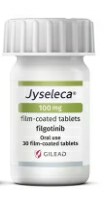
In terms of time on the market, filgotinib was first approved by the EU in September 2020, with the trade name Jyseleca. This approval is based on data from a large number of international multi-center clinical studies demonstrating its safety and efficacy in patients who are refractory or resistant to conventional treatments. The development background of filgotinib stems from the need to improve the efficacy and safety of existing JAK inhibitors.
While traditional JAK inhibitors inhibit the inflammatory response, they may increase the risk of thrombosis, infection and abnormal liver function due to their non-selective effects. As a selective JAK1 inhibitor, filgotinib was originally developed to maintain immunomodulatory efficacy while reducing side effects, thereby providing patients with a safer and more sustainable long-term treatment option.
In clinical application, filgotinib can not only improve arthritis symptoms, but also delay joint structural damage and improve patients' quality of life. After being marketed in the EU, it has become an important treatment option for patients with moderately to severely active rheumatoid arthritis and ulcerative colitis. Its oral administration method also provides patients with a convenient medication experience, avoiding the inconvenience of long-term injection treatment, and is easy to use in combination with other drugs to optimize efficacy.
The approval of filgotinib also marks a breakthrough forJAK1 selective inhibitors in the treatment of autoimmune diseases. By targeting the immune signaling pathway, it controls inflammation while relatively reducing the risk of non-specific immune suppression, providing experience and reference for the future development of safer and more efficient oral immunomodulatory drugs.
Reference materials:https://go.drugbank.com/drugs/DB14845
[ 免责声明 ] 本页面内容来自公开渠道(如FDA官网、Drugs官网、原研药厂官网等),仅供持有医疗专业资质的人员用于医学药学研究参考,不构成任何治疗建议或药品推荐。所涉药品可能未在中国大陆获批上市,不适用于中国境内销售和使用。如需治疗,请咨询正规医疗机构。本站不提供药品销售或代购服务。


