
.jpeg)
What are the symptoms of sotoraxib (AMG 510) resistance and how to deal with them after they appear?
Sotorasib (trade name: AMG 510) is a new type of KRAS G12C mutation-specific targeted drug, mainly used to treat patients with advanced or metastatic non-small cell lung cancer (NSCLC) carrying KRAS G12C mutations. Although clinical data show that it has a good remission rate and disease control effect in KRAS G12C-positive patients, similar to most targeted drugs, drug resistance may still occur after long-term use, leading to reduced therapeutic effect or disease progression. The symptoms, manifestations and treatment methods of drug resistance are key issues that clinicians and patients must pay attention to during long-term treatment. The following is a detailed analysis from four aspects of drug resistance symptoms, mechanisms, monitoring and response measures.
First of all, the symptoms that patients may experience after drug resistance are mostly clinical manifestations of disease progression. For lung cancer patients whose original symptoms have been controlled, respiratory symptoms that may reappear or worsen when drug resistance occurs include worsening cough, shortness of breath, hemoptysis, or chest pain. Some patients may develop systemic symptoms, such as fatigue, weight loss, loss of appetite, low-grade fever, and anemia. These symptoms usually indicate that the tumor may have local or distant progression, or the emergence of new metastases. In addition, increased tumor volume, new lesions, or spread to metastatic sites may be observed through imaging examinations (CT, PET-CT, or MRI). Early identification of these symptoms and imaging changes is critical for timely adjustment of treatment options.
Secondly, the molecular mechanisms of sotorasiib resistance mainly include two categories: one is the compensatory activation of KRAS downstream signaling pathways in tumor cells, such as the RAF-MEK-ERK pathway, P The upregulation of the I3K-AKT-mTOR pathway leads to the failure of KRAS inhibition; the second is the new mutation or accompanying mutation of the KRAS gene itself, such as KRAS G12D, G12V and other site mutations, or accompanied by TP53, Pan>STK11, KEAP1 and other mutations. These changes can weaken the binding effect of drugs and targets or change the sensitivity of tumors to drugs. In addition, tumor heterogeneity may also lead to drug resistance in some cell populations, thereby affecting the overall efficacy. Therefore, after the emergence of drug resistance, molecular testing (such as second-generation sequencing) on u200bu200bpatients is an important means to determine the cause of drug resistance and guide subsequent treatment.
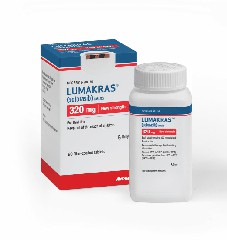
Third, the treatment method after the emergence of drug resistance should comprehensively consider the patient's condition, drug resistance mechanism and previous treatment history. Common strategies in clinical practice include: 1) Replacement or combination with other targeted drugs. For example, in the case of KRAS downstream pathway activation, combination can be considered MEK inhibitor or SHOC2 inhibitor; 2) chemotherapy or immunotherapy For patients with partial drug resistance, platinum-based chemotherapy or PD-1/PD-L1 immune checkpoint inhibitors may provide additional treatment options; 3) Participation in clinical trials, especially studies targeting new strategies for KRAS resistance or novel KRAS inhibitors, can provide new treatments and potential benefits for patients. For patients with obvious symptoms, symptomatic treatment, such as oxygen therapy, cough medicine, anti-anemia treatment, etc., can be given at the same time to improve the quality of life.
Finally, in order to delay the emergence of sotoraxib resistance as much as possible, the clinical emphasis is on the importance of early monitoring and individualized treatment. Patients should undergo regular imaging follow-up, hematology examinations and necessary molecular marker testing while taking the medication. Once tumor markers are abnormal or symptoms worsen, you should communicate with the attending doctor in a timely manner to assess whether there is a risk of drug resistance. Reasonable dose adjustment, combined treatment regimens, and standardized follow-up systems can help prolong the drug's efficacy period and improve patients' long-term benefits. At the same time, when drug resistance occurs, patients should maintain a good psychological state, actively cooperate with the multidisciplinary treatment team, and formulate a scientific follow-up treatment plan.
To sum up, drug resistance to sotoraxib (AMG 510) may manifest as worsening of respiratory symptoms, general fatigue and weight loss, and tumor progression can be seen on imaging. The resistance mechanism mainly involves the compensatory activation of KRAS downstream pathways and the emergence of new mutations. Response measures include molecular testing to identify resistance mechanisms, adjustment of treatment options (targeted combination, chemotherapy or immunotherapy), participation in clinical trials and symptomatic treatment. Through early monitoring, individualized treatment and standardized follow-up, the emergence of drug resistance can be delayed to the greatest extent and the long-term efficacy of patients can be optimized.
Reference materials:https://www.drugs.com/
[ 免责声明 ] 本页面内容来自公开渠道(如FDA官网、Drugs官网、原研药厂官网等),仅供持有医疗专业资质的人员用于医学药学研究参考,不构成任何治疗建议或药品推荐。所涉药品可能未在中国大陆获批上市,不适用于中国境内销售和使用。如需治疗,请咨询正规医疗机构。本站不提供药品销售或代购服务。


