
.jpeg)
Interpretation of the latest official instructions for Stiripentol
1. Drug overview and indications
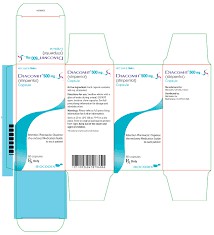
Stiripentol (Stiripentol) is a new anti-epileptic drug, mainly used to treat epileptic seizures associated with Dravet syndrome (DS). The disease is a rare and severe hereditary epilepsy syndrome that usually begins in infancy and is characterized by recurrent febrile convulsions, generalized seizures, and neurodevelopmental delay. Currently, this medicine is suitable for patients who are 6 years old and above, weighing not less than 7 kg and taking Clobazam**.
Clinical studies have shown that this product can significantly reduce the frequency and severity of epileptic seizures as an adjuvant treatment, thereby improving quality of life. There is currently insufficient evidence to support the use of this product as a monotherapy for Dravet syndrome, so it is recommended to be used in combination with other anti-epileptic drugs to exert a synergistic control effect.
2. Recommended dosage and usage
The total daily dose is 50mg/kg/day, which can be divided into 2 to 3 times a day according to the patient's clinical response and tolerance. If three divided doses are used, each dose is approximately 16.67 mg/kg; if two divided doses are used, each dose is approximately 25 mg/kg. Physicians should individually adjust the dosage method based on the patient's age, weight, and pharmacokinetic characteristics.
If the recommended dose cannot be accurately weighed, rounding can be performed according to the dosage form specifications to make the actual dose close to the target value. The commonly used dosage range is generally 50mg to 150mg, within which a good balance of efficacy and safety can be maintained. The maximum recommended dose is 3000 mg/day. Excessive dosage may increase the risk of adverse reactions such as drowsiness, ataxia, and gastrointestinal discomfort. Therefore, dose adjustments should be made gradually, with at least one week between adjustments to assess patient tolerance.
This drug should be administered orally, with meals or on an empty stomach. It is recommended that daily medication intervals should be evenly spaced to maintain stable blood concentration. If the patient has difficulty swallowing, it can be diluted or suspended according to the instructions before taking.
2. Common adverse reactions
In clinical observation, the adverse reactions of this product are generally controllable and mostly mild to moderate. The most common reactions include:
Drowsiness and tiredness: Some patients develop symptoms early in treatment, which usually resolve gradually as medication continues;
Decreased appetite and weight loss: may be related to the regulatory mechanism of the central nervous system, and nutritional status needs to be monitored regularly;
Ataxia and hypotonia: manifested as unsteady walking or clumsy movements, mostly related to dose;
Nausea, tremor and dysphonia: are reversible reactions and can recover after stopping the drug;
Insomnia or nighttime awakening: Occasionally seen in long-term drug users, it can be alleviated by adjusting the medication time.
3. Pharmacology and mechanism of action
The drug's exact anticonvulsant mechanism is not fully understood, but research speculates that it may work through multiple pathways:
GABA pathway regulation: Drugs may directly enhance the activity of gamma-aminobutyric acid (GABA) A receptors, thereby inhibiting excessive neuronal discharge;
Indirect drug interaction: It may inhibit the activity of cytochromeP450 enzyme in the liver, increase the concentration of clobazam and its active metabolites in the blood, and enhance the anti-epileptic effect;
Neural excitability regulation: By balancing the neurotransmitter ratio of glutamate andGABA, it reduces the over-excitability state of the central nervous system, thereby reducing the chance of triggering epileptic seizures.
This multi-pathway mode of action makes it a powerful complementary therapy for refractory epilepsy.
4. Storage and stability
This product should be storedat a room temperature of 20°C to 25°C, and short-term fluctuations are allowed within the range of 15°C to 30°C. It should be placed in a dry, dark place to prevent the pharmaceutical ingredients from being degraded by moisture. Do not freeze or expose to high temperature, and should be kept in the original packaging box to prevent light from affecting the efficacy of the medicine. To ensure safety, medicines should be kept out of the reach of children.
Reference materials:https://www.diacomit.com/
[ 免责声明 ] 本页面内容来自公开渠道(如FDA官网、Drugs官网、原研药厂官网等),仅供持有医疗专业资质的人员用于医学药学研究参考,不构成任何治疗建议或药品推荐。所涉药品可能未在中国大陆获批上市,不适用于中国境内销售和使用。如需治疗,请咨询正规医疗机构。本站不提供药品销售或代购服务。


