
.jpeg)
Common side effects and treatments of Futibatinib
Futibatinib is an oral small molecule tyrosine kinase inhibitor targeting fibroblast growth factor receptor 2 (FGFR2). It is mainly used to treat patients with unresectable or metastatic intrahepatic cholangiocarcinoma (iCCA) whose tumors must have FGFR2 gene fusions or other rearrangements. As a precision targeted drug, while forbatinib exerts anti-tumor effects, it may also cause a variety of side effects, and clinical monitoring and management need to be paid attention to.
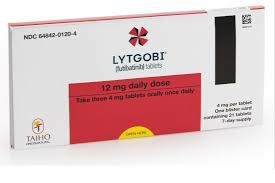
The most common side effects involve digestive and metabolic disorders. Patients may experience diarrhea, nausea, vomiting and loss of appetite during treatment. These symptoms are usually more obvious in the early stages of medication. For mild to moderate diarrhea or nausea, symptoms can be alleviated through symptomatic treatment such as adjusting the diet structure, eating in small doses in batches, and rehydration. For severe gastrointestinal reactions, the dose may be appropriately reduced or the medication may be temporarily discontinued if necessary, and routine medication may be resumed after the symptoms are relieved.
Liver function and bilirubin levels also need to be focused on. Forbatinib may cause an increase in serum aminotransferases, and some patients may experience an increase in bilirubin. It is clinically recommended to regularly monitor liver function before and during treatment. Once abnormalities occur, the dose can be appropriately adjusted or the administration can be delayed, and supportive treatment can be combined with liver-protecting drugs.
In addition, ocular reactions are one of the unique adverse reactions of FGFR inhibitor drugs, including dry eyes, blurred vision and macular edema. Patients should have regular eye examinations while taking this medication and seek immediate medical attention if they experience vision changes or eye discomfort. Mild symptoms can be relieved with moderate artificial tears or reduced screen time.
Abnormalities in blood and metabolic parameters are also common, such as hypophosphatemia, hyperuricemia, and hypocalcemia. Hypophosphatemia may cause muscle weakness or bone discomfort. Clinically, oral phosphorus supplementation or dietary adjustment is usually recommended to maintain blood phosphorus stability. Hyperuricemia can increase the risk of gout, so consider using uric acid-modulating drugs and increasing fluid intake. For abnormal hematological indicators, it is necessary to closely monitor changes in blood routine and adjust the medication regimen if necessary.
Reference materials:https://www.lytgobi.com/
[ 免责声明 ] 本页面内容来自公开渠道(如FDA官网、Drugs官网、原研药厂官网等),仅供持有医疗专业资质的人员用于医学药学研究参考,不构成任何治疗建议或药品推荐。所涉药品可能未在中国大陆获批上市,不适用于中国境内销售和使用。如需治疗,请咨询正规医疗机构。本站不提供药品销售或代购服务。


