
.jpeg)
Is Teclistamab included in the medical insurance policy?
Teritusumab (Teclistamab-cqyv) is a bispecific antibody drug developed by Johnson & Johnson. Its unique mechanism of action makes it a new generation of immunotherapy for the treatment of multiple myeloma. By simultaneously binding to CD3 on the surface of T cells and BCMA on the surface of tumor cells, it "draws" the killer T cells of the patient's own immune system to the cancer cells, activating the cytotoxic response and eliminating malignant plasma cells.
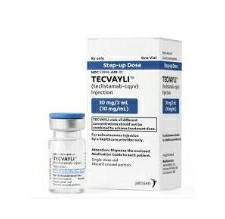
This mechanism that is independent of the major histocompatibility complex (MHC) enables it to show significant efficacy in relapsed or refractory myeloma, which is especially clinically significant for patients who have progressed after multiple lines of therapy. Teritusumab will receive accelerated approval from the U.S. FDA in 2022 for the treatment of adult patients with multiple myeloma who have relapsed or are refractory after receiving at least four therapies. Since then, regulatory agencies in the European Union and many countries have successively approved the drug for marketing.
In China, the generic drug teritusumab has been officially approved for marketing recently, markingBCMA/CD3 bispecific antibody has officially entered the clinical application stage in China. However, according to the latest update of the medical insurance catalog, the drug has not yet been included in the reimbursement scope of the national medical insurance. It is relatively expensive and is a highly innovative biological agent. Medical insurance access still needs to wait for further pharmacoeconomic evaluation and negotiation processes. From the perspective of clinical use, teritusumab is usually injected subcutaneously by medical staff in hospitals and administered once a week. Patients require initial hospitalization monitoring to prevent immune-related adverse events such as cytokine release syndrome (CRS) and neurotoxicity.
Research shows that teritusumab can enable some patients to achieve deep remission or even minimal residual disease (MRD) negative status, demonstrating its strong efficacy in relapsed myeloma. With the popularity of bispecific antibody therapy, teritusumab may become an important treatment option in parallel with CAR-T therapy in the future, providing an alternative for patients who cannot receive cell therapy.
Reference materials:https://www.tecvayli.com/
[ 免责声明 ] 本页面内容来自公开渠道(如FDA官网、Drugs官网、原研药厂官网等),仅供持有医疗专业资质的人员用于医学药学研究参考,不构成任何治疗建议或药品推荐。所涉药品可能未在中国大陆获批上市,不适用于中国境内销售和使用。如需治疗,请咨询正规医疗机构。本站不提供药品销售或代购服务。


