
.jpeg)
Besotivan and galvatinib compared with cabozantinib in prolonging PFS in advanced renal cell carcinoma
In a joint press release, the latest clinical trial results reveal positive progress from the Phase 3 LITESPARK-011 trial (NCT04586231) in the treatment of locally advanced or metastatic clear cell renal cell carcinoma (ccRCC). The trial results showed that the study met the co-primary endpoint of progression-free survival (PFS), showing the potential and promise of the new combination therapy.
In this prespecified interim analysis, the research team found that the combination of benzotivan (Welireg) and lenvatinib (Lenvima) significantly improved PFS compared with conventional cabozantinib-Cabometyx. This result was not only statistically significant but also clinically important, particularly in patients whose disease progressed during or after receiving PD-1/L1 immunotherapy. This discovery provides new ideas for the treatment of renal cell carcinoma, especially in the face of treatment resistance and disease recurrence.
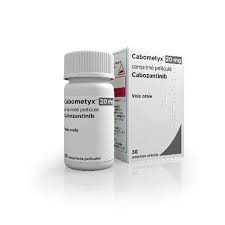
In addition, the combination also showed a statistically significant improvement in the trial's key secondary endpoint - objective response rate (ORR). This result further enhances the clinical application prospects of besotifan and lenvatinib combination therapy, especially in terms of improving patients' quality of life and prolonging survival. Although the co-primary endpoint of overall survival (OS) failed to reach statistical significance at the interim analysis, it still showed a trend indicating that this new treatment regimen may have further positive results in future studies.
It is worth noting thatThe LITESPARK-011 trial is the first positive phase 3 study of the combination of HIF-2α and multi-target VEGF tyrosine kinase, marking a significant progress in research in this field. Although some progress has been made in the treatment of renal cell carcinoma in recent years, many advanced patients may still face continued disease progression after receiving PD-1/L1 therapy. Therefore, the positive results of this study not only provide new treatment options for the clinic, but also bring new hope to patients, which may reduce the risk of disease progression or death in patients who need to rely on immunotherapy or innovative post-treatment therapies.
In terms of safety,No new safety signals were observed in the interim analysis of the LITESPARK-011 trial. The research team pointed out that the safety profile of the combination is consistent with the known safety profile of each individual drug, which provides more assurance for the clinical use of the combination. Safety is always a top priority in clinical trials, and ensuring patient safety when receiving new treatment options is a top priority for research teams. By ensuring patient safety, researchers can better evaluate the effectiveness and acceptability of new treatments.
Patients participating in the study were randomly assigned to receive besotivan 120 mg orally once daily, lenvatinib 20 mg orally once daily, or cabozantinib 60 mg orally once daily. The trial's dual primary endpoints were PFS by blinded independent central review and OS according to RECIST v1.1. Key secondary endpoints include ORR, duration of response and safety.
In total, the open-label Phase 3 LITESPARK-011 trial enrolled an estimated 708 adult patients with advanced renal cell carcinoma. These patients have a clear cell component and need to meet certain conditions for enrollment. Participants were eligible for the study if they experienced disease progression during or after anti-PD-1/L1 therapy, had a Karnofsky performance status score of at least 70%, and had adequate organ function.
Reference materials:https://www.urologytimes.com/view/belzutifan-plus-lenvatinib-extends-pfs-vs-cabozantinib-in-advanced-renal-cell-carcinoma
[ 免责声明 ] 本页面内容来自公开渠道(如FDA官网、Drugs官网、原研药厂官网等),仅供持有医疗专业资质的人员用于医学药学研究参考,不构成任何治疗建议或药品推荐。所涉药品可能未在中国大陆获批上市,不适用于中国境内销售和使用。如需治疗,请咨询正规医疗机构。本站不提供药品销售或代购服务。


